


Chronicle #1
Earlier this month, I spent a weekend in Los Angeles at The Festival of Progressive Abundance, surrounded by people who are, unbelievably, interested in building cities and not just debating them.
The Festival of Progressive Abundance, hosted by the indefatigable Steve Boyle, brought together an unusual crowd: urbanists, housing advocates, and members of Congress alongside the founder of California Forever, The American Housing Corporation, Monumental Labs, and Urbanist Ventures.
City builders with capital, ambition, and many shared goals with the abundance and progressive crowd.
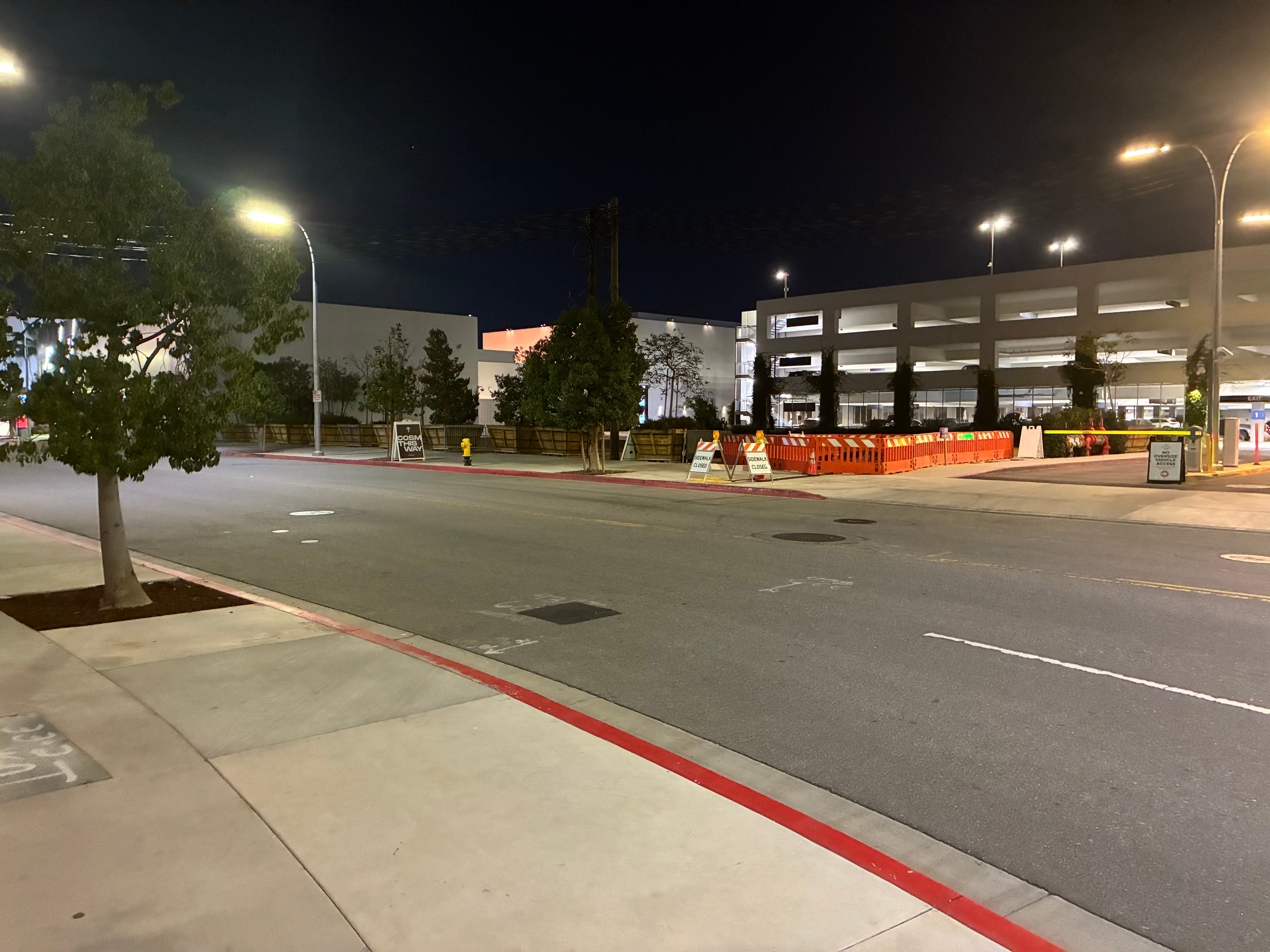
Refreshingly, these people were mostly agnostic about ideology, being much more motivated by life-changing visions and extreme competence. These were cheerful, forward-looking, and technically serious characters. And the mood was pragmatic optimism: we can build again, and what we build will be better than what came before us (such as site of the festival, Hollywood Park, a massive 300-acre, $5 billion+ development and sports/entertainment complex with abundant parking but insufficient residential).
The Urbanism Vibe Shift
In the past year, technology and capital have begun aligning around large-scale urbanist projects in a way that signals tremendous new things on the horizon:
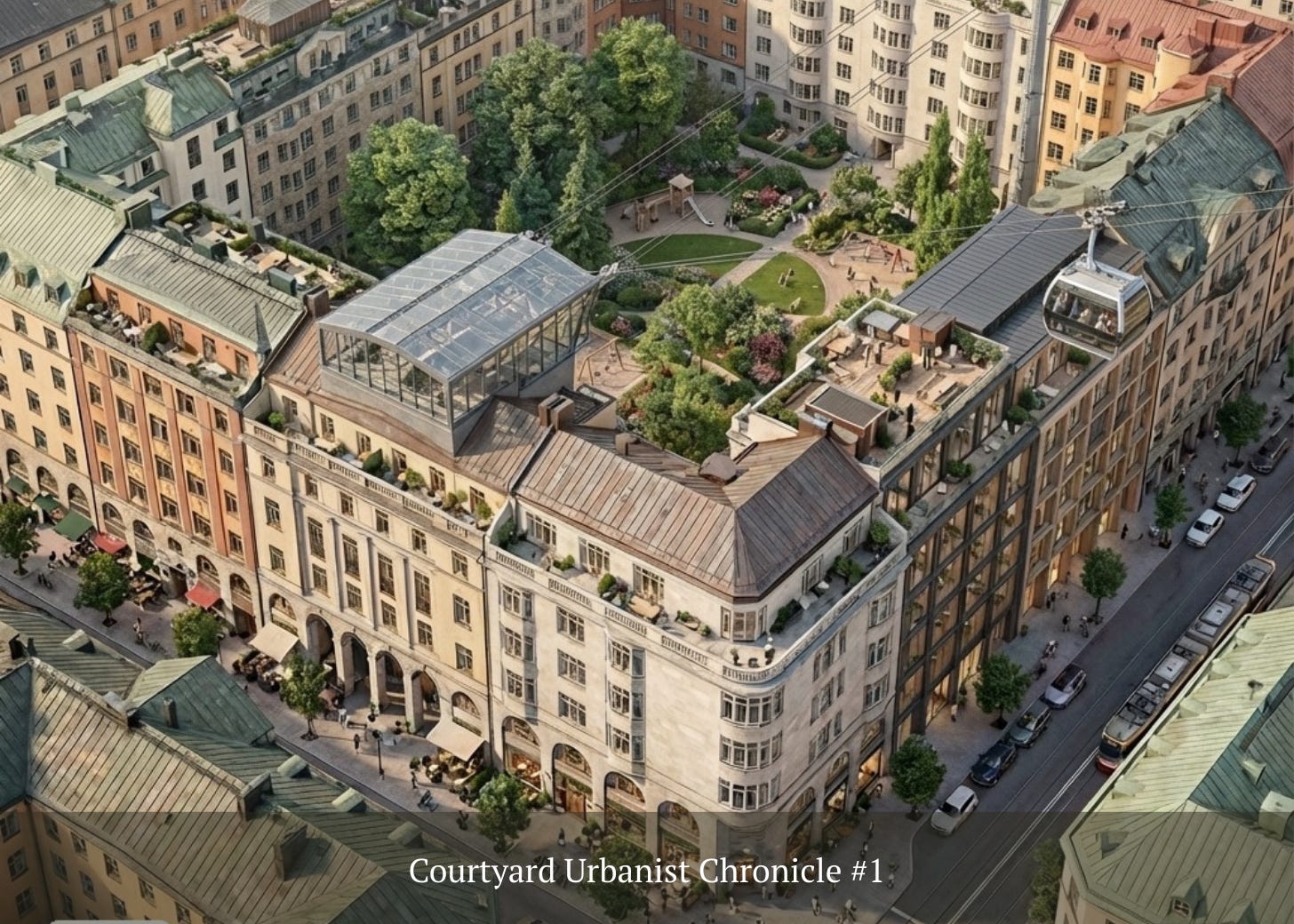
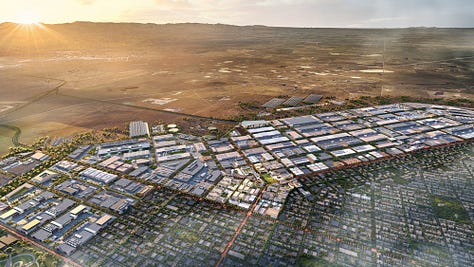
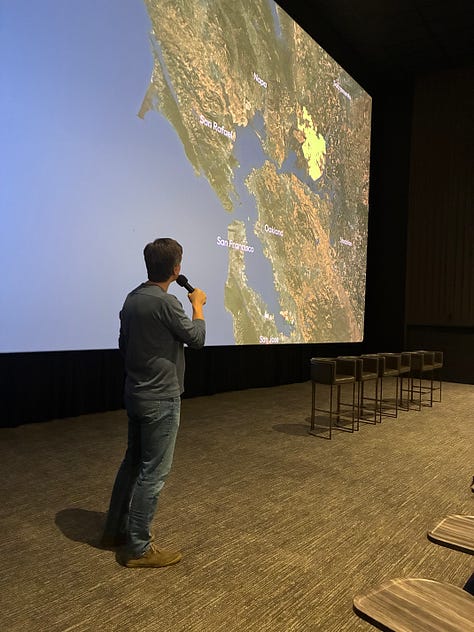
Jan Sramek is building California Forever—the first major new walkable city in America since the mid-20th century—planned for up to 400,000 people on 60,000 acres between San Francisco and Sacramento, integrating manufacturing, housing, and public realm from the start. Crucially, it proposes to embed courtyard urbanism into its fabric, reintroducing a typology—perimeter blocks with shared interior green space—that North American urbanism has historically lacked at scale, making the project potentially significant not just as a new city, but as a structural shift in American urban form. (I made this case during the panel discussion on California Forever on Saturday.)
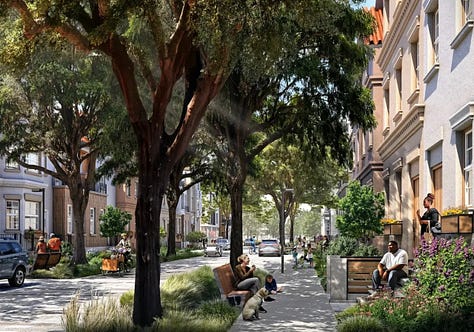
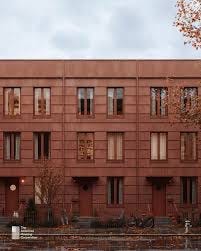
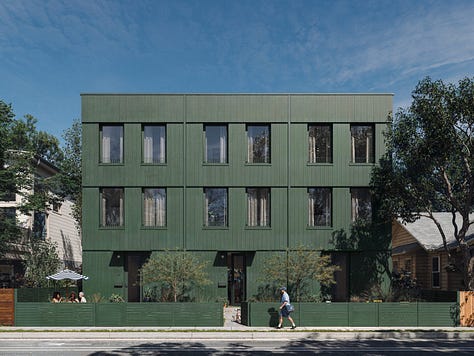
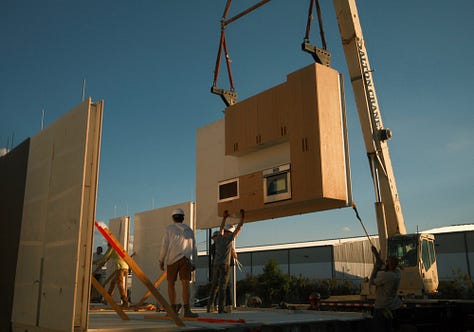
California Forever Bobby Fijan just launched The American Housing Corporation. Factory-made rowhouses designed for families, targeting around $750,000 in Austin. His thesis is straightforward: build housing in places where young people already live, so they can stay, have kids, and put down roots. The exact housing type that largely disappeared from American cities.
American Housing Corporation Micah Springut’s Monumental Labs is bringing back stone construction using robots and AI to cut costs up to 90%. The material that made European cities beautiful and durable for centuries, now economically competitive with modern materials.
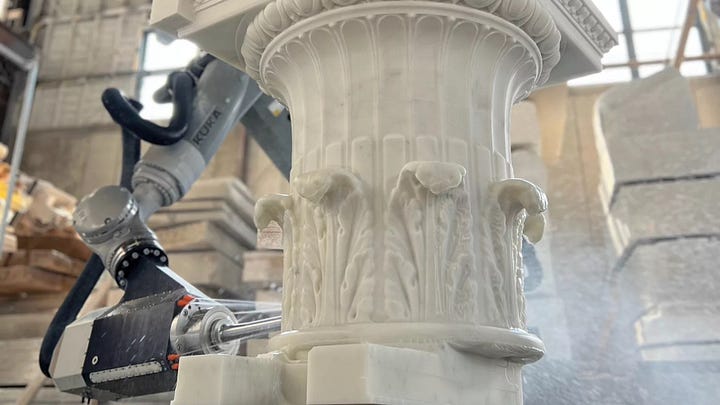
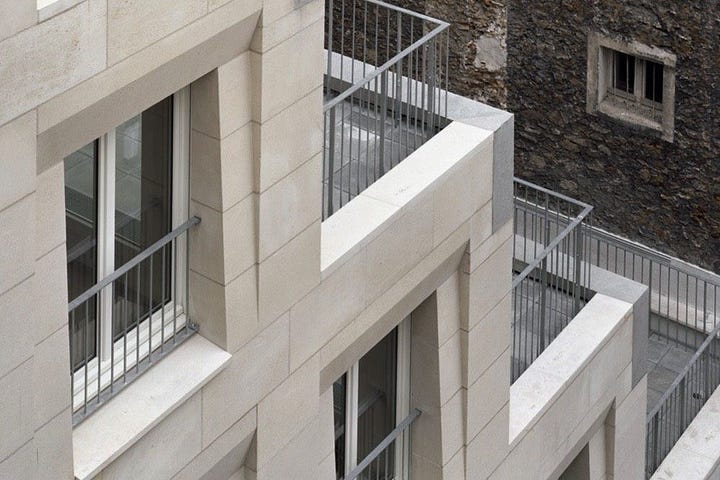
Monumental Labs & Stone Construction Renaissance Laura Fingal-Surma funds urbanist startups (such as American Housing Corporation and Swyft Cities, the urban gondola company) through Urbanist Ventures.
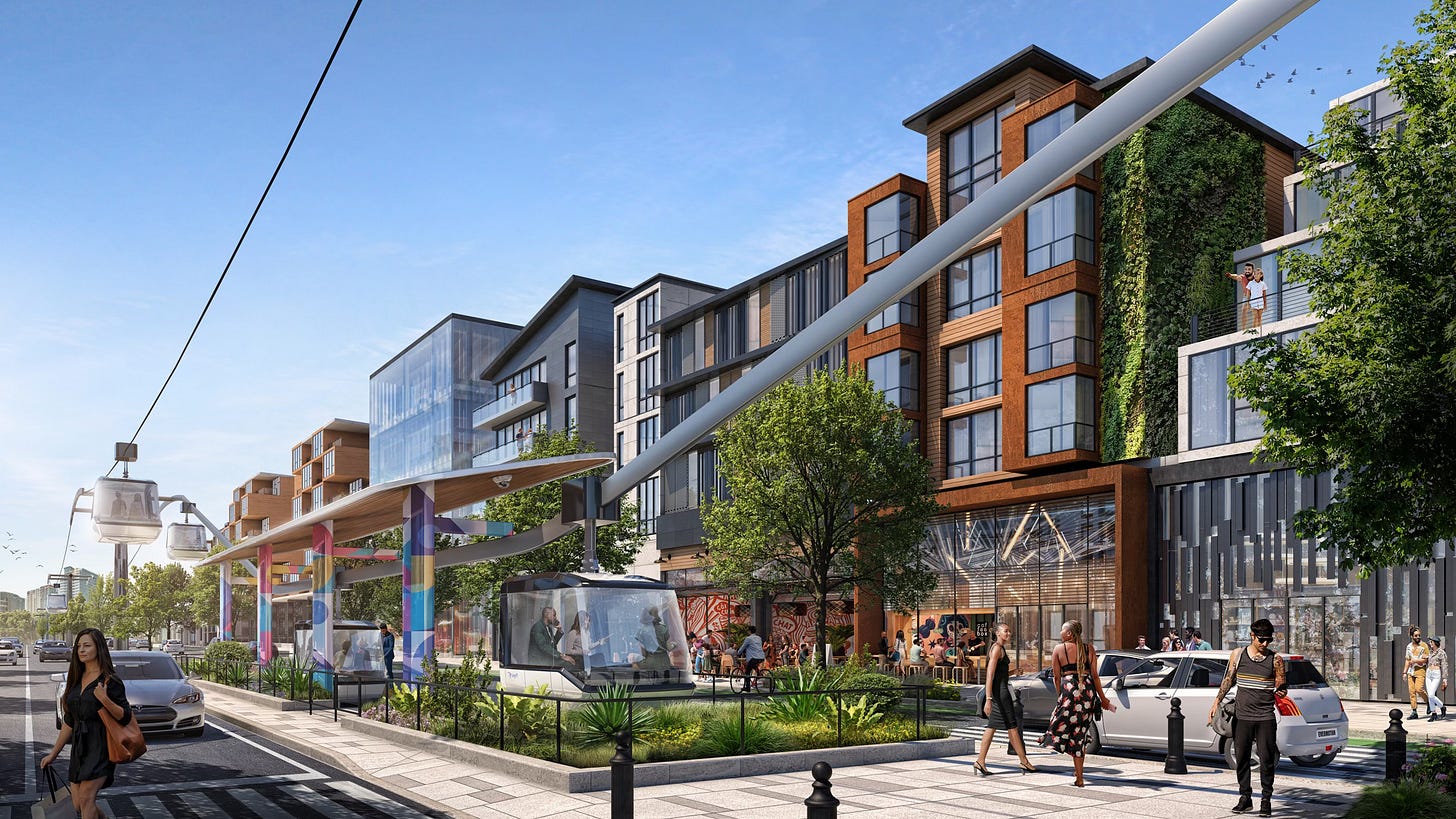
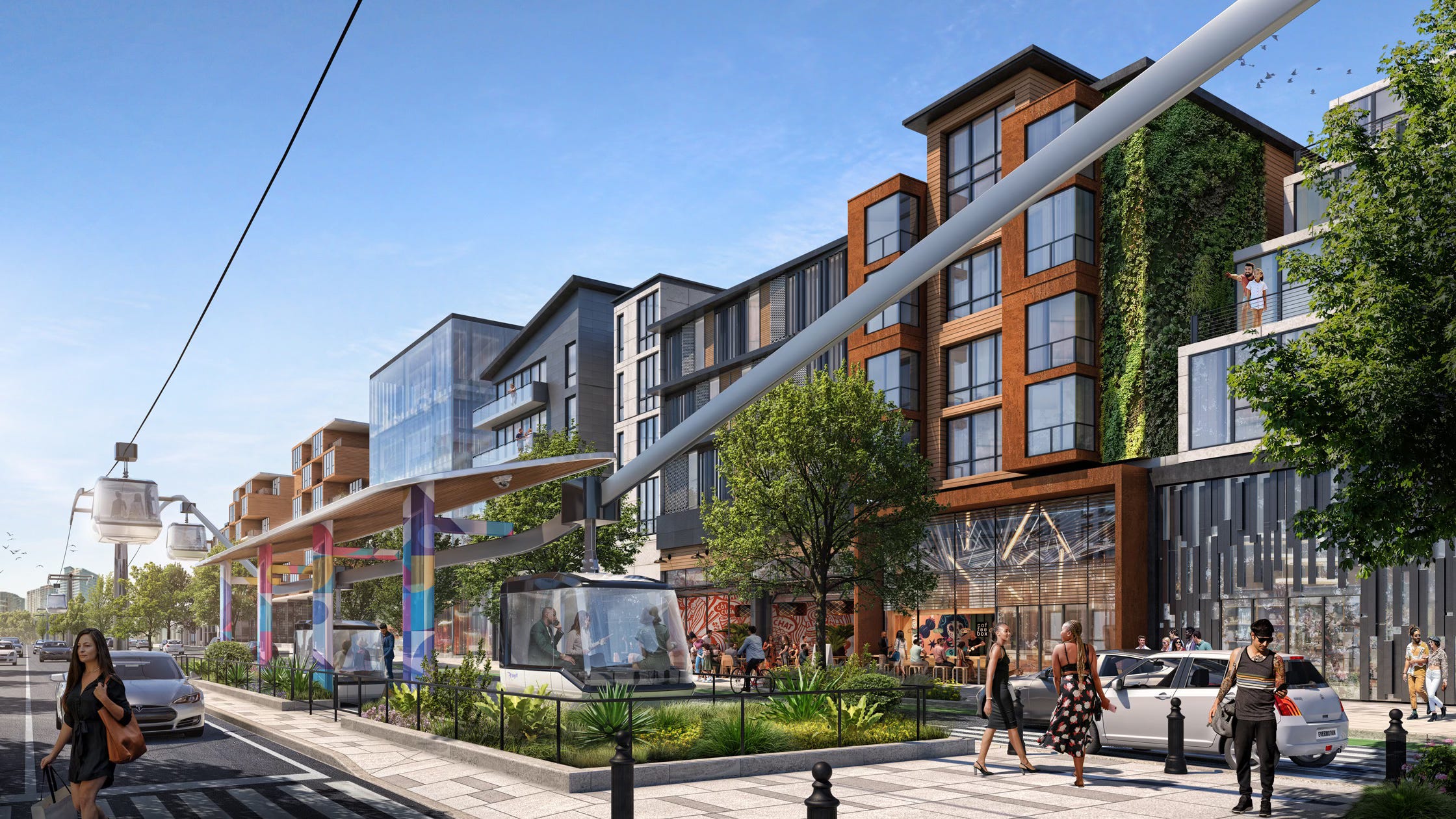
Swyft Cities is americanizing the urban gondola


So what is really remarkable is that these actors are going beyond policy work (which is also necessary and good), and building alternatives to the current development paradigm.
Why this matters for Courtyard Urbanism


Jason Crawford gave a compelling talk placing the progressive movement in historical context—especially its evolving situationship with technology and science. He argued that American progressivism was once defined by its ability to build at civilizational scale: dams under FDR, the moon landing under JFK, the Panama Canal under Teddy Roosevelt. But beginning in the mid-20th century, growth slowed and we lost our public ambitions. became a country that struggles to build housing, transit, or major infrastructure. Progressives, he suggested, retained their commitment to science but grew wary of technology and economic growth. His case was that progressive values actually require all three—and that we must consciously reunite them.
His talk reminded me that technology is not an end in itself, but requires moral direction. Progressive values—human flourishing, shared prosperity, long-term stewardship—provide that orientation. Technology is not inherently good; it becomes good when it is deployed toward outcomes that genuinely improve society. That is where our work on courtyard urbanism fits. The conversation is shifting from “why” to “how,” from advocacy to execution. The real question is whether we will use our knowledge, capital, and technical capacity to build environments where families thrive, communities endure, and cities grow with purpose.
What I learned


Saturday evening, I was on a panel about California Forever. I argued that Jan’s project matters because it shows solutions to American cities’ failure to accommodate families. It’s also an opportunity to debut courtyard urbanism in North America at scale. Not as retrofit infill, but as intentional city design from the start.
On Sunday’s panel, Lindsay Sturman with Livable Communities Initiative (LCI) and I presented LCI’s vision for Los Angeles: 3-5 story buildings with retail below and housing above, built along commercial corridors. Creating 15-minute neighborhoods where families can walk to daily needs. Developers and architects weighed in on financing, regulatory feasibility, and market demand for walkable neighborhoods.
The school enrollment signal
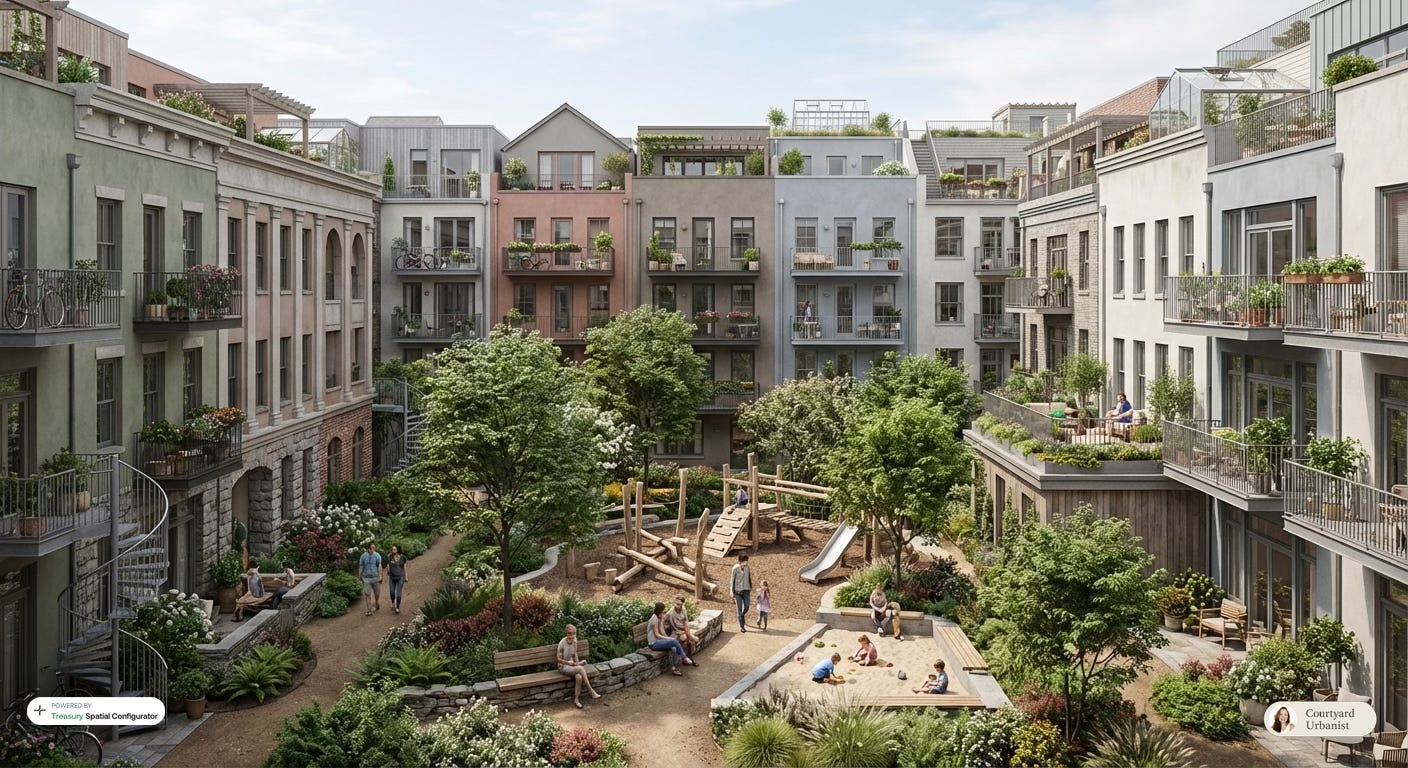
Throughout the festival, people kept mentioning declining school enrollment. City leaders, developers, urbanist organizers are all worried about this sobering trend.
Elementary schools are closing because families keep leaving for the suburbs. The tax base is eroding. Neighborhoods are aging out.
This is why courtyard urbanism is such an important and beautiful solution, and cannot be dismissed as a niche aesthetic preference. Courtyard urbanism provides infrastructure for keeping cities economically viable.
Cities need families. Not just for schools, but for stable neighborhoods, for street life, for the kind of multi-generational community that makes cities function. When families concentrate in suburban counties, cities lose the population base needed to sustain services, maintain stable school enrollment, and keep public spaces safe.
Courtyard blocks offer exactly what families need—spacious apartments, private outdoor space, walkability, and urban convenience. The functional equivalent of a big house with a yard, but in the dense city center with all its fantastic energy and amenities.
The misconceptions holding us back
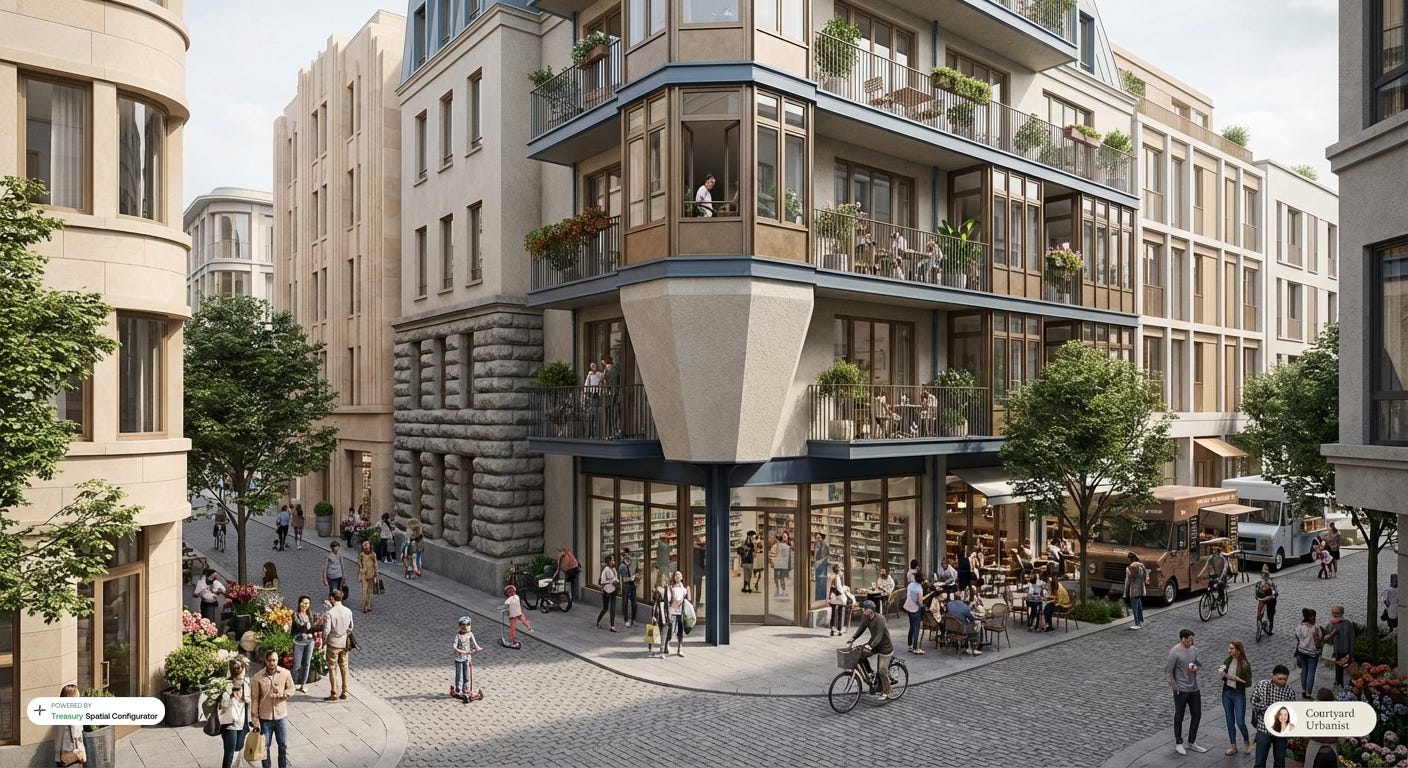
The same doubts kept surfacing and are always worth addressing directly.
“Courtyard blocks require mega-developments.”
No.
True courtyard blocks are formed by 10-20 individual small-lot buildings, not one massive structure. A 20,000 square foot building might cost $4-6 million—achievable for local developers, community groups, even homeowner-developers. Not just national firms with hundred-million-dollar war chests.
“Dense housing can’t accommodate families.”
Look at Copenhagen, Prague, Berlin. Courtyard apartments with dual-aspect units offer better natural light and ventilation than American row houses or corridor buildings. The wide, shallow building form creates generous room layouts. The private courtyard gives kids safe outdoor space. It works. It’s worked for hundreds (thousands—going back to Ancient Rome!) of years.
“Mixed-use doesn’t pencil in America.”
Yet in Europe’s most valuable districts and America’s most successful urban neighborhoods, mixed-use is the norm. Yes, the challenge is real. We lack Europe’s tradition of small business support. But the economic benefits are demonstrable. Higher tax revenues, lower infrastructure costs, and walkable convenience that commands premium prices.
“American codes make courtyard blocks illegal.”
Most European courtyard buildings have dual egress. They’re code-compliant. The real barriers are zoning—setbacks, height limits, use restrictions—and financing. Lenders hesitate over unfamiliar typologies. The solution exists: Planned Unit Developments and master planning that allow flexibility. Portland and Arlington have already done this successfully.
“Courtyard urbanism only works for wealthy professionals.”
Traditional courtyard blocks naturally create mixed-income communities. Larger units on lower floors command premium prices. Upper-level walk-ups remain affordable. Because they share land and infrastructure costs, small units stay naturally low-cost without formal subsidy. This is how European cities achieved income diversity for centuries.
What I am taking from Los Angeles


The vanguard is building.
Hurray, capital is no longer allergic to urbanism! Technology is reducing construction constraints. Developers are asking execution-level questions.
The conversation has moved A LOT.
Courtyard blocks belong inside this shift, and not as boutique infill, but as foundational city-building fabric.
Next week’s newsletter will address regulatory mechanics. How zoning, underwriting, and building codes actually interact with courtyard development — using real examples.
We are entering a build decade and can see glimpses of New American Urbanism that is rich in courtyard blocks.
Ciao! A presto!
Alicia Pederson
Courtyard Urbanist
Lincoln Square, Chicago
Question: how long does it take to build a courtyard block like you are describing? Not the approval process, but from breaking ground to move in ready.