


Why American Buildings Don’t Touch or Meet the Street
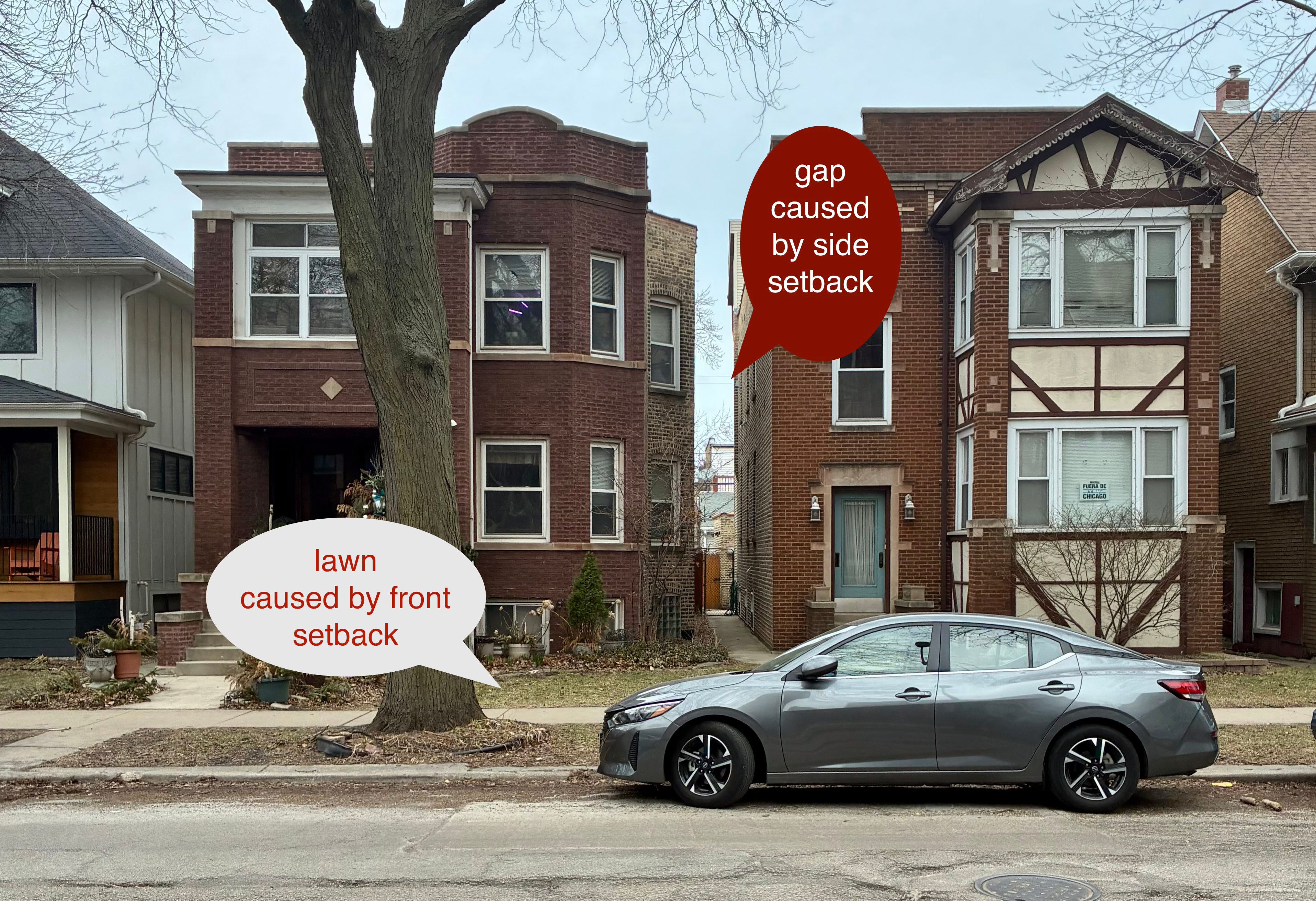
If you look at almost any building in the United States, you’ll notice that it sits back in the lot, shying away from the front and side property lines.
By contrast, buildings in many European cities meet the street directly and often touch the building next door.

The typical American building is detached and free-standing—a small island in the middle of its lot. It sits apart from both the street and its neighbors, buffered by a sequence of spaces that have become so familiar we rarely notice them: a strip of grass, a sidewalk, a small front lawn, a side lawn or “gangway,” perhaps a driveway. These gaps create a landscape of separation in which buildings hover within their parcels rather than shaping the public space around them.
As the urban theorist Leon Krier has illustrated, this arrangement is quintessentially suburban: buildings float within open space. The traditional city operates on the opposite principle. There, buildings align with the property line and meet the street, forming a continuous edge that establishes a clear boundary between public space and private life.
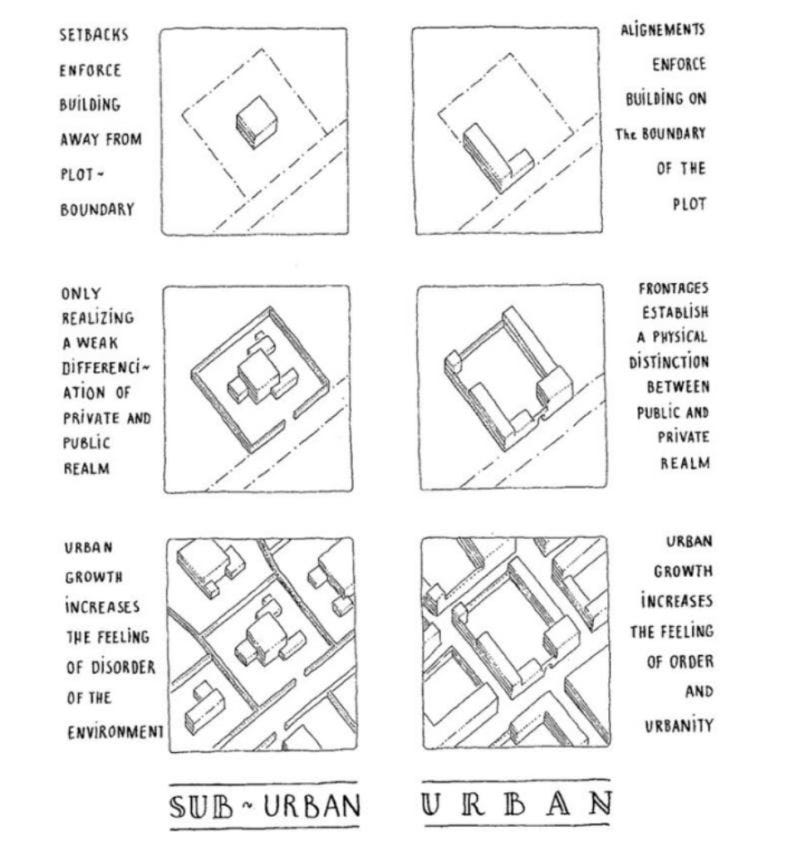
This pattern feels so normal that most Americans assume it is the natural way buildings are built, or that it reflects a deep cultural preference for front and side lawns. But there is nothing organic about wasting the perimeter of a lot—where the usable area of land is actually the greatest. The pattern is the consequence of a rule buried in almost every American zoning code: the setback.
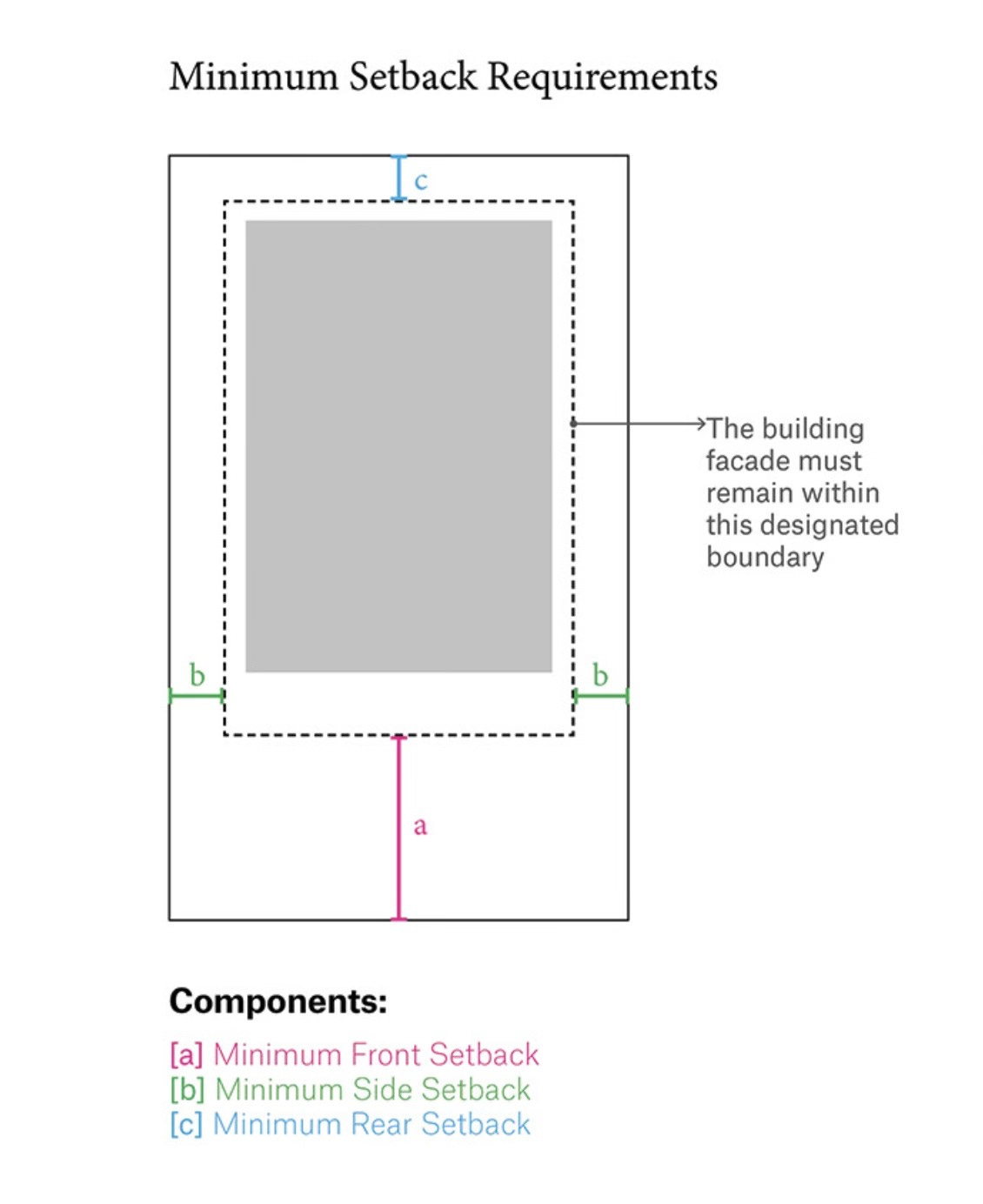
A setback is the minimum distance a building must sit away from a property line. Zoning codes usually require a front setback from the street, side setbacks from neighboring lots, and sometimes a rear setback as well. Typical numbers look something like this: front setbacks of ten to thirty feet and side setbacks of five to fifteen feet.
Most people have never heard the term, yet everyone lives with the consequences. The empty strip of grass between the sidewalk and the building. The awkward gaps between neighboring buildings that fill with trash cans, mechanical equipment, or nothing at all. The apartment building that faces a parking lot rather than the street.
These spaces are not accidents, nor are they the organic expression of Americans’ preferences. They are the visible traces of a historically unusual rule that limits the right of property owners to build along the edges of their land.
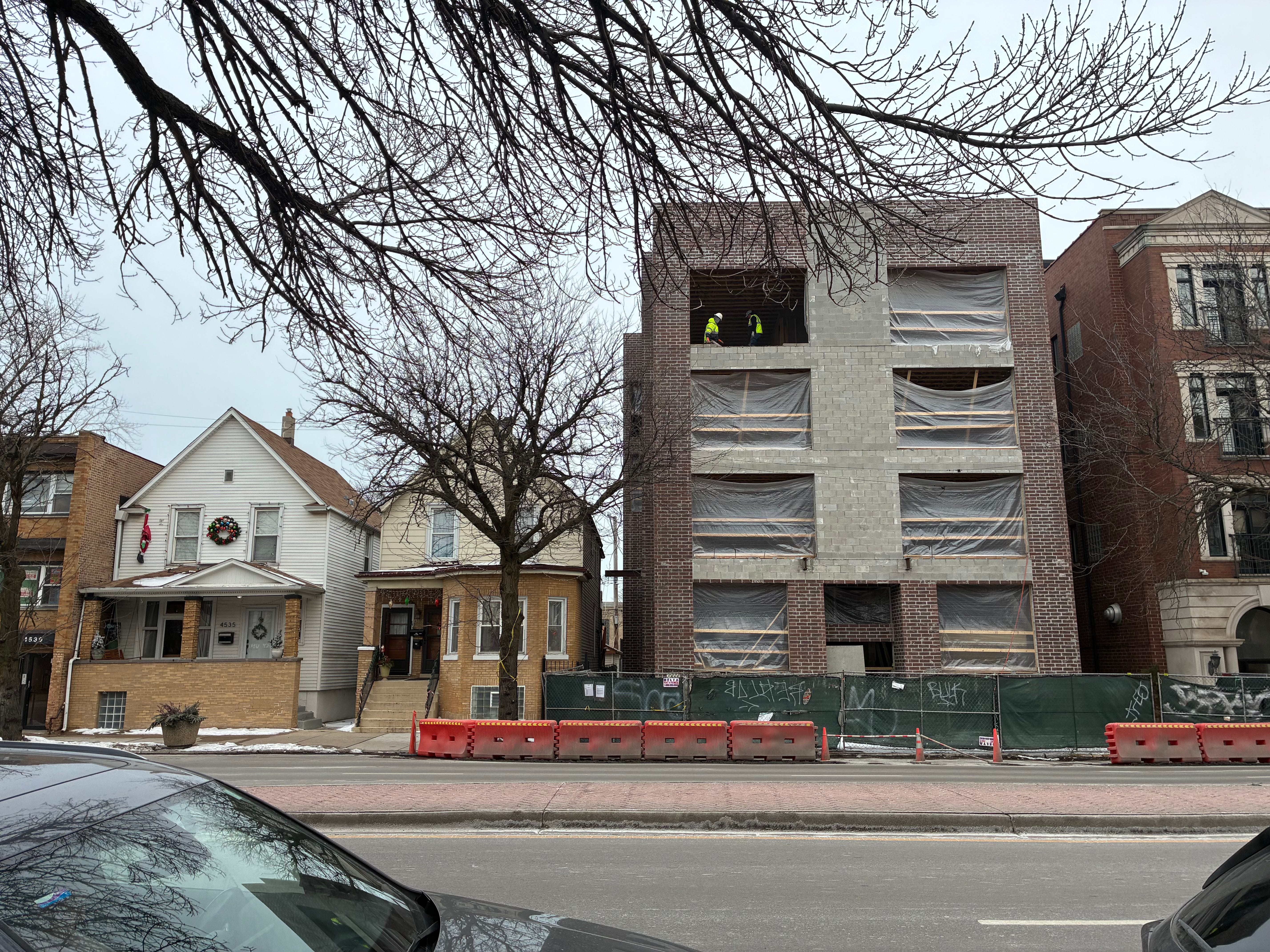
So deeply ingrained has this rule become that we have largely forgotten the design tool that once made traditional urban blocks possible: the party wall—a shared structural wall that allows two buildings to meet directly at the property line.


Once buildings are allowed to touch, the geometry of the block changes dramatically. The edges of the block become architecture, defining the street, while the interior of the block can be organized into shared space: courtyards, gardens, or service areas.
Because party walls contain no windows, buildings constructed this way tend to remain relatively shallow rather than extending narrow and deep into the lot. When party walls disappear and buildings must stand apart, the opposite tendency emerges: buildings stretch deeper into the parcel in order to achieve the same floor area, consuming yard space while leaving fragmented gaps along the sides.
Push buildings away from the property line, and the entire geometry of the block begins to change, reshaping both the usefulness of the land and the experience of the street.
The geometry advantage of the perimeter block
There is another reason courtyard blocks are such a high-impact urban form, and it has to do with geometry. And if I, as an English PhD who does not particularly enjoy math, can understand this, so can you.
Cities function best when buildings meet the street. The edge where private buildings and public space touch is where most of urban life unfolds: front doors, shop entrances, stoops, windows, balconies. Urban life tends to concentrate along edges.

The perimeter block works so well because it maximizes those edges. Instead of scattering buildings across a parcel, the building mass is drawn to the outer boundary of the block, forming a continuous ring around a shared interior courtyard. The result is both simple and remarkably elegant: almost the entire perimeter of the block becomes building frontage, streets are defined by coherent walls of architecture, and the interior of the block becomes a protected courtyard.
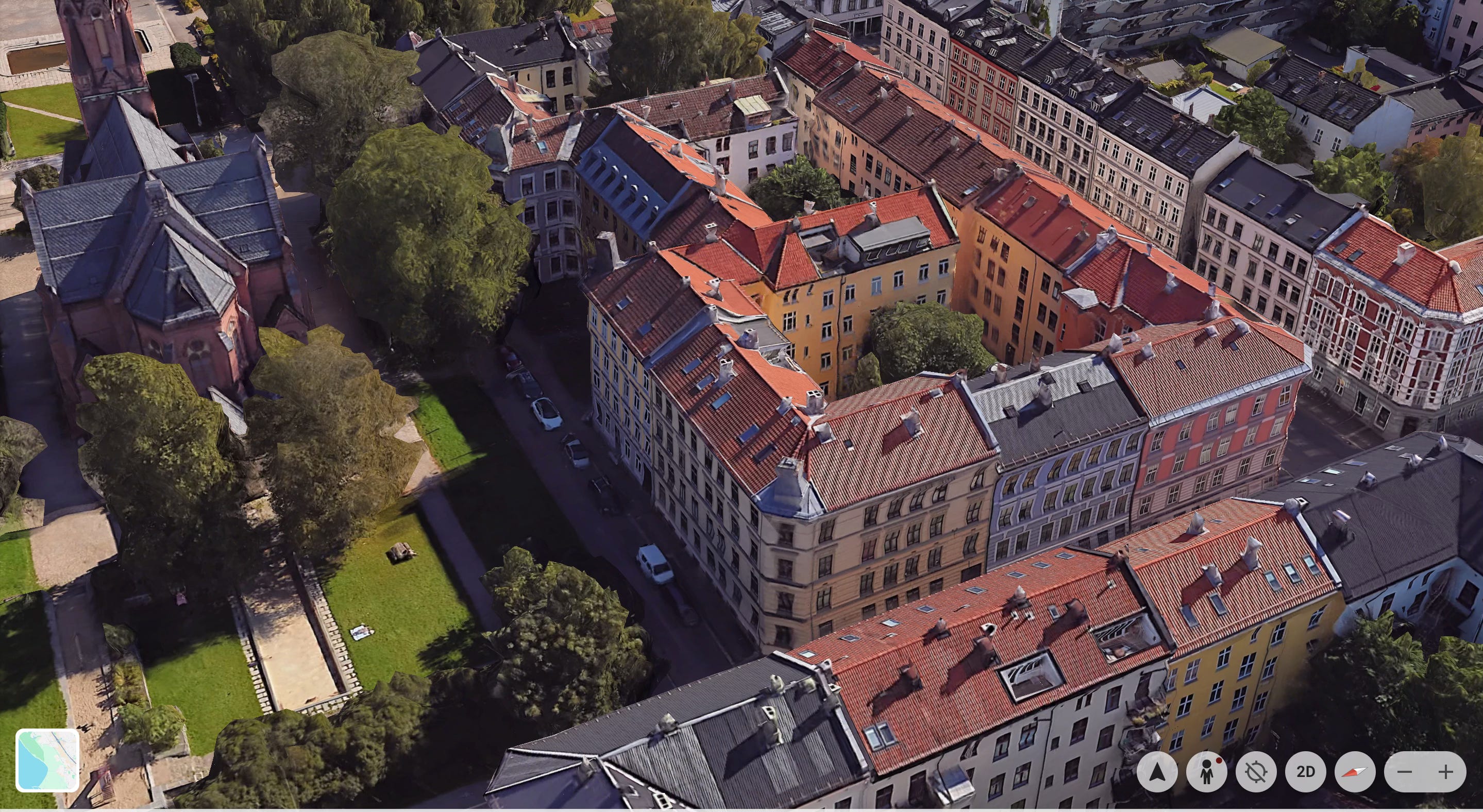
To understand just how powerful this geometry can be, it helps to compare two places with almost identical block sizes.
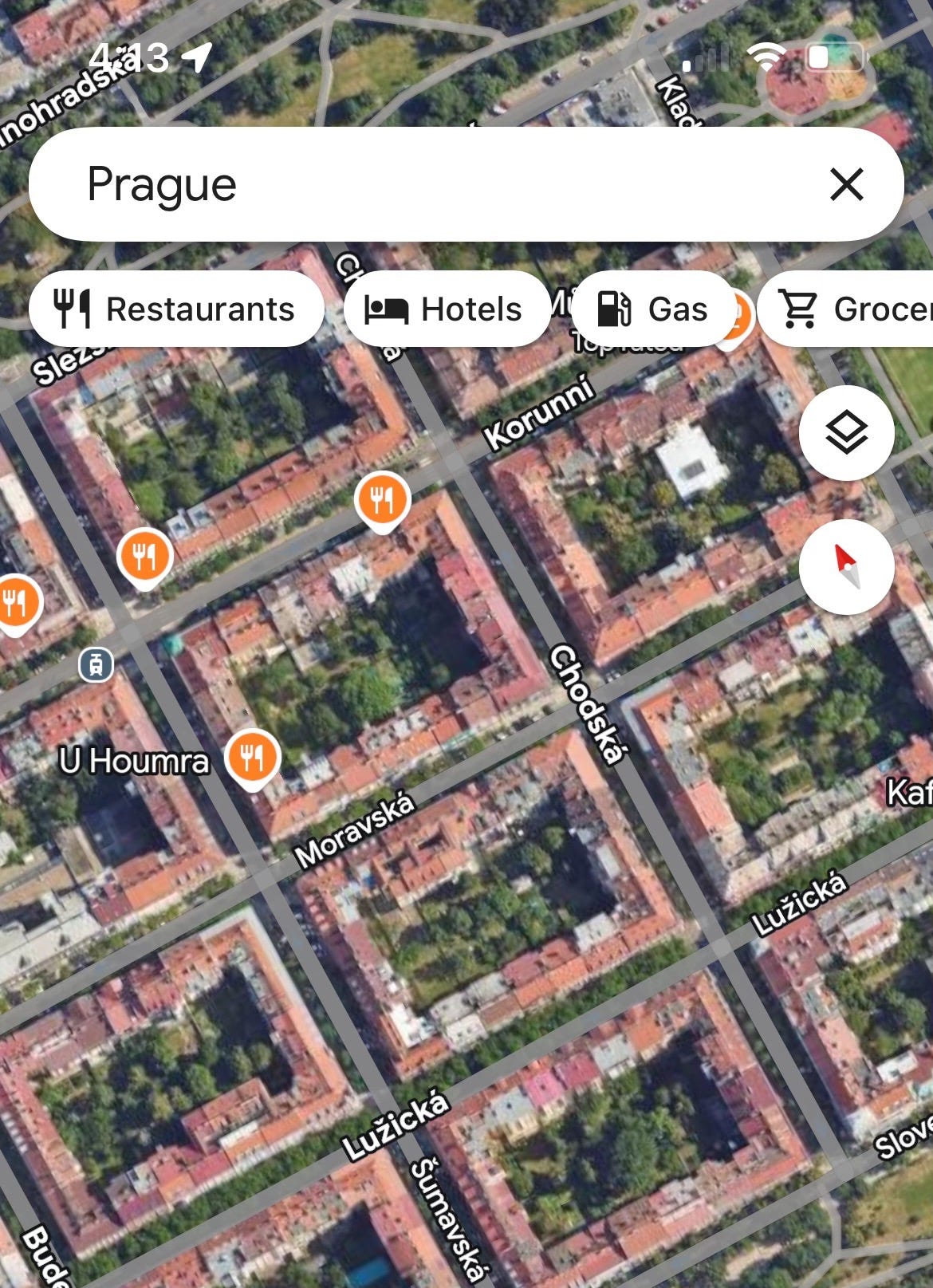
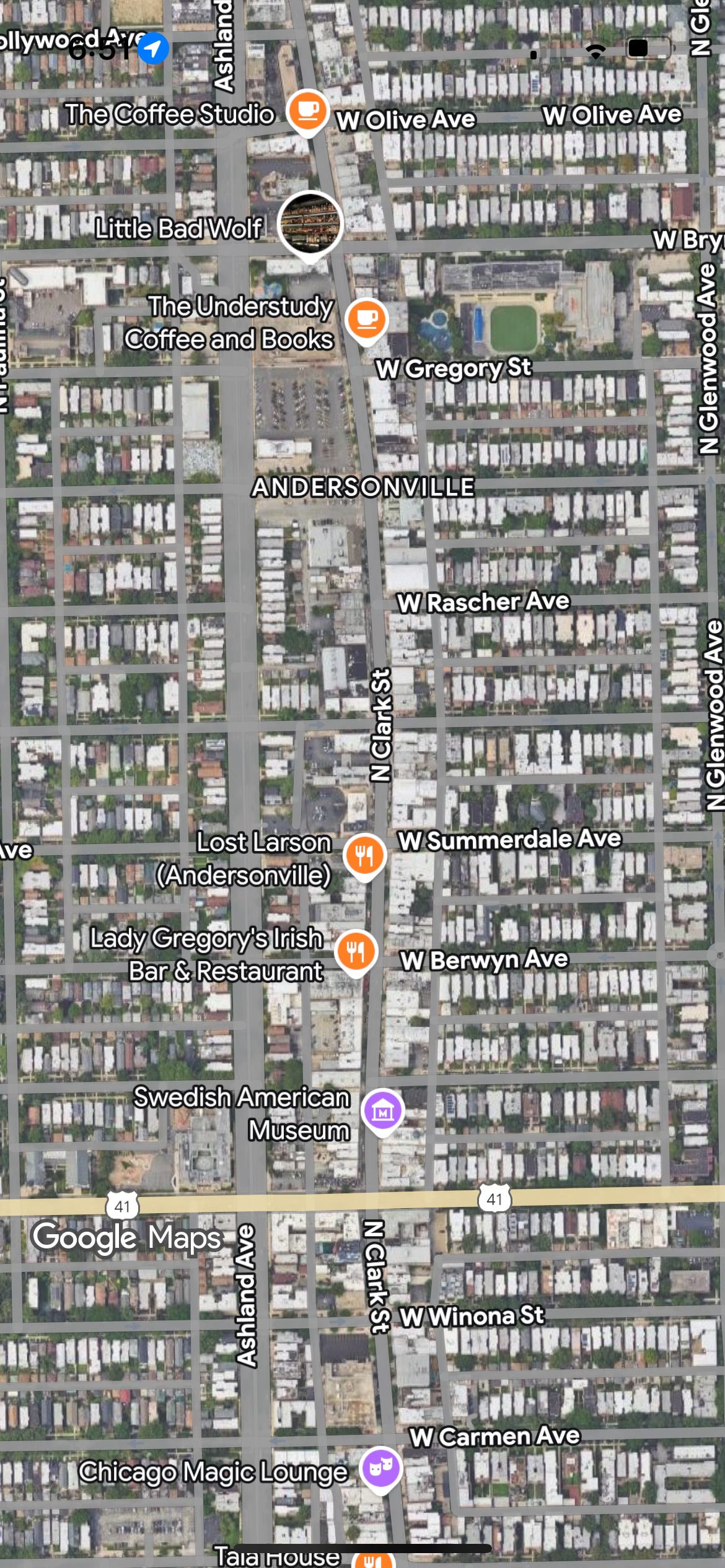
A typical Chicago block measures roughly 330 by 660 feet. A typical block in Prague’s Vinohrady district is nearly the same width—about 330 to 380 feet—though somewhat shorter in length.


The difference between these two places is not the size of the block. It is how the buildings are allowed to sit upon it.
In Vinohrady, buildings are typically constructed directly on the front and side property lines, using party walls to connect neighboring structures. Five- and six-story buildings form a continuous perimeter around the block, enclosing large shared courtyards within.
In Chicago, by contrast, zoning rules usually require front and side setbacks that push buildings away from the edges of their lots. Instead of forming a continuous edge, buildings migrate toward the middle of parcels, leaving strips of leftover space around them.
At first glance the difference may seem minor—just a few feet here or there—but its consequences are substantial.
On a typical Chicago block, setback rules often reduce lot coverage to roughly one-third of the parcel. On perimeter blocks like those in Vinohrady, buildings occupy closer to 40–45 percent of the block, concentrated along its edges. That difference alone can amount to more than 10,000 additional square feet of building area per floor on the same block.
Yet the more important difference is spatial rather than numerical.
In Vinohrady, the entire edge of the block becomes architecture. Streets feel enclosed and legible, while the interior courtyard becomes a large shared space for residents. Under setback zoning, by contrast, much of that edge dissolves into leftover land—lawns, side yards, access lanes—that rarely contribute meaningfully to street life.


The building ceases to shape the city and instead becomes an object sitting in the middle of a parcel. One geometry produces streets and usable green space. The other produces gaps and leftover land.


Setbacks may appear to be minor spacing rules. A few feet here or there at the front or side of a lot may seem harmless. But repeated across an entire block, those small separations accumulate into tens of thousands of square feet of wasted land, while simultaneously degrading both sides of the urban environment: the public street outside and the shared courtyard that might otherwise exist within.
Why do we even have setbacks?
What’s striking about setbacks is that they were not originally designed with apartment buildings—or even with a coherent theory of urban form—in mind. A recent academic study tracing the evolution of setback regulations shows that they emerged gradually during the nineteenth century as cities confronted the public health crises produced by rapid industrial urbanization. Concerns about fire, overcrowding, light, and ventilation led planners and reformers to experiment with ways of introducing more air and daylight into dense neighborhoods. In the United States, one of the tools that emerged from this period was the setback: front, side, and rear spacing requirements intended to create small pockets of open space around buildings so that light and air could reach interior rooms. The idea was straightforward and seemingly sensible: if buildings stood farther apart, ventilation would improve and disease would spread less easily. These rules often appeared first in fire codes, subdivision regulations, and street-widening provisions long before they were absorbed into the zoning systems that now govern most American cities.


European planners confronted the same nineteenth-century public health concerns, but they often pursued a very different strategy. Rather than pushing buildings away from the street and from one another, many European cities insisted on strict build-to lines along the front and sides of lots so that buildings would continue to define the street edge. At the same time, they imposed strong requirements for light and ventilation inside the block itself, often requiring that every habitable room have a window and limiting buildings to roughly half the area of the lot. The result was a distinctive architectural response: buildings rose directly along the street but wrapped around interior courtyards that supplied light and air. In Paris, regulations that followed Haussmann’s nineteenth-century reconstruction and were formalized in the 1902 building code controlled height, lot coverage, and courtyard dimensions while allowing buildings to align with the street. In Vienna’s Gründerzeit districts, similar rules produced tall perimeter buildings that sometimes extended narrow wings into the courtyard to bring daylight deeper into the structure.


Both American and European planners were therefore trying to solve the same problem: how to bring light and air into dense cities. But the regulatory tools they chose pushed urban development in very different directions. American rules increasingly created space around buildings, separating structures from the street and from one another. European rules created space inside blocks, concentrating buildings along the perimeter while reserving the interior for courtyards. Over time these two approaches produced dramatically different urban geometries. One gradually weakened the street wall and dispersed buildings across the lot, while the other preserved the street edge and organized urban life around shared interior courtyards.
Housing Reform Is Moving, But the Form Debate Isn’t
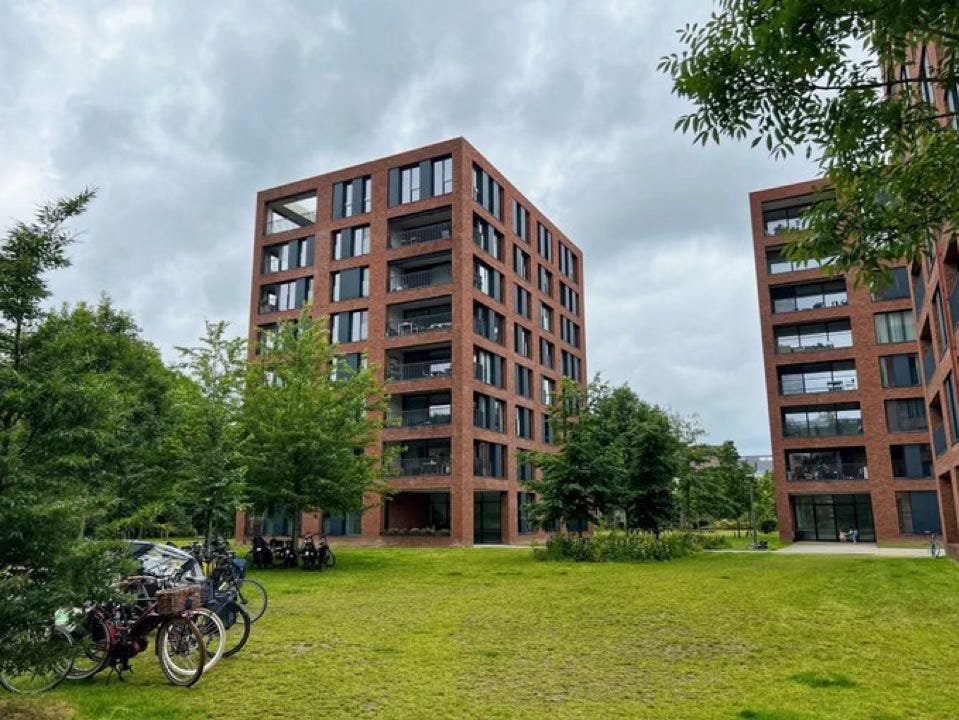
In recent years, housing reform debates in the United States have focused on a single central question: how many homes are allowed on a parcel of land. Across the country, states and cities are beginning to loosen long-standing restrictions on unit counts, allowing duplexes, fourplexes, and small multifamily buildings in places where they were once prohibited. These reforms represent an important shift away from the rigid single-family zoning regimes that dominated the late twentieth century. Yet even as the rules governing unit counts begin to change, the spatial constraint often remains in place. The form of the building itself may still make those units difficult—or even impossible—to construct.
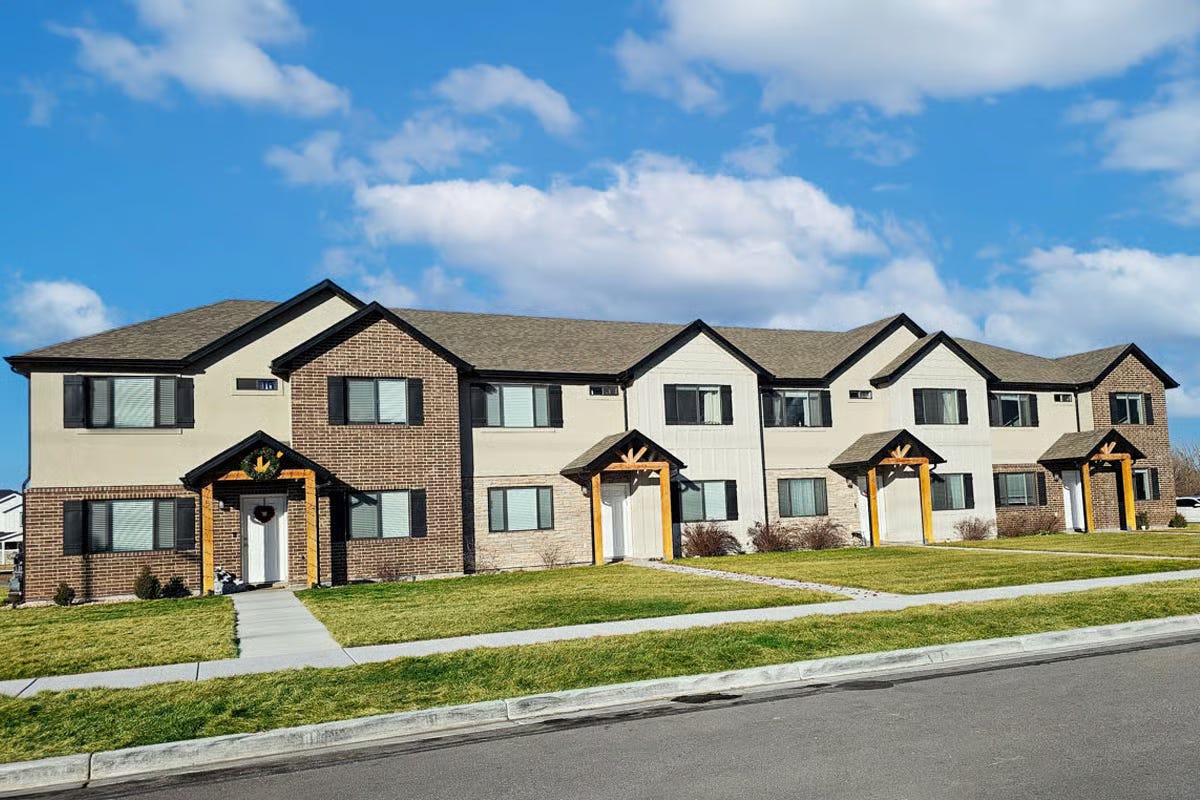
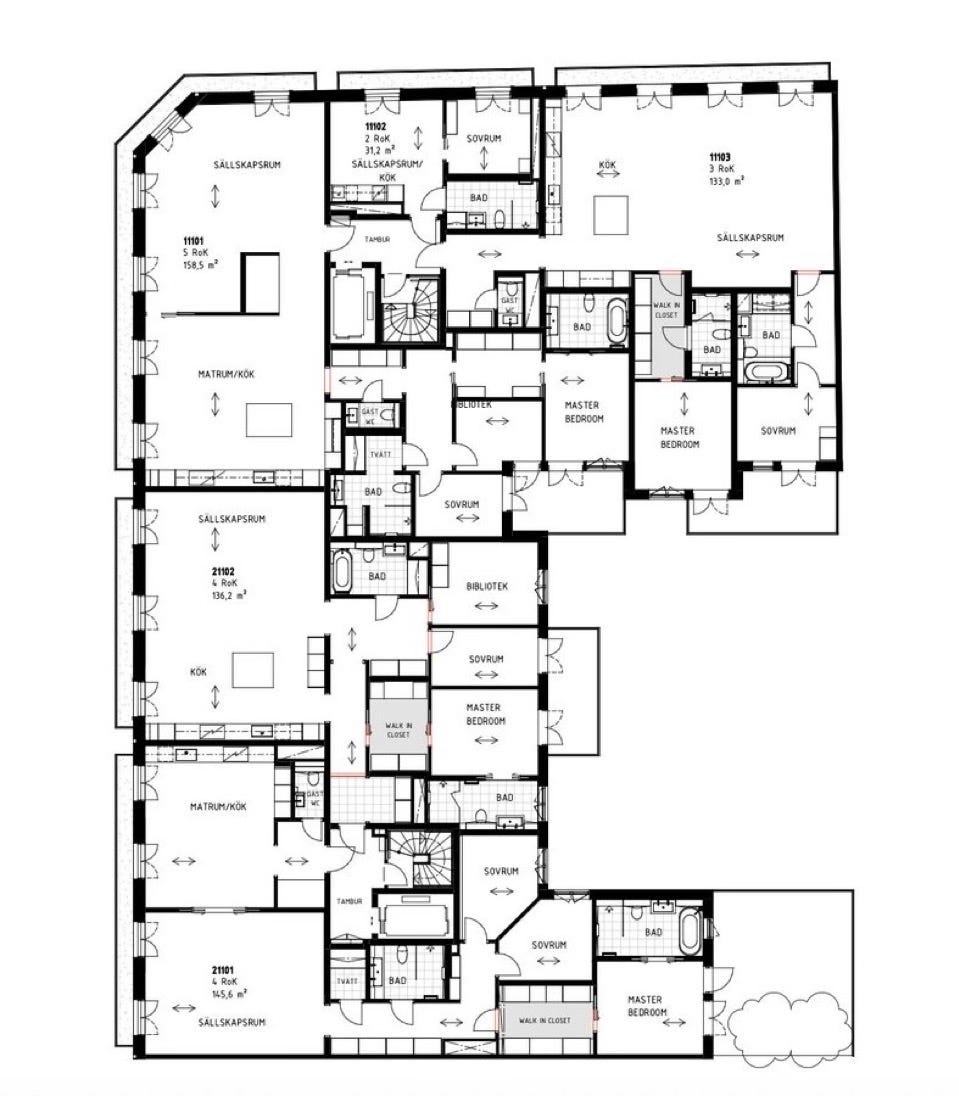
Courtyard blocks illustrate this problem clearly. This form depends on relatively wide and shallow buildings that sit along the edges of lots and blocks, often sharing side party walls so that the street remains defined while the interior of the block becomes a courtyard. When zoning codes require significant front and side setbacks, however, this geometry cannot emerge. Buildings are pushed inward, away from property lines, and the shallow perimeter structure that courtyard housing requires becomes impossible to achieve. In other words, it is entirely possible to legalize a fourplex while still making a courtyard building impossible to build.
This is why setback reform may be one of the next critical steps in housing policy. Several states have already begun to move in this direction, as legislators recognize that rigid setback rules can limit housing supply just as effectively as density caps. Virginia, Michigan, and Idaho all have active legislation aimed at limiting or reforming setback requirements for small multifamily housing. The momentum is real, even if the conversation remains focused primarily on density rather than building form.
Virginia HB 1212 →
https://www.smartgrowthamerica.org/knowledge-hub/news/on-zoning-and-housing-states-continue-to-take-charge/
Indiana’s HB1001 similarly restricts certain setback, density, and bulk standards on qualifying parcels:
https://www.housingaffordabilityinstitute.org/housing-reform-february-202/
These efforts represent an important shift. For decades, setbacks have been treated as neutral technical rules rather than as powerful determinants of urban form. That assumption is beginning to change. Yet even here an important conversation remains largely absent: relaxing setback rules is only the first step. Cities must also rebuild a design culture capable of using the spatial possibilities that those reforms create.
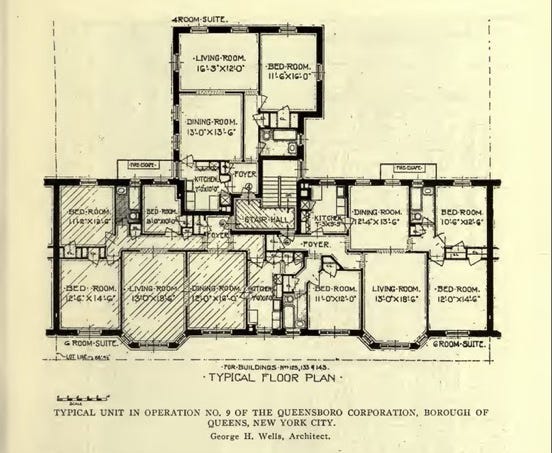
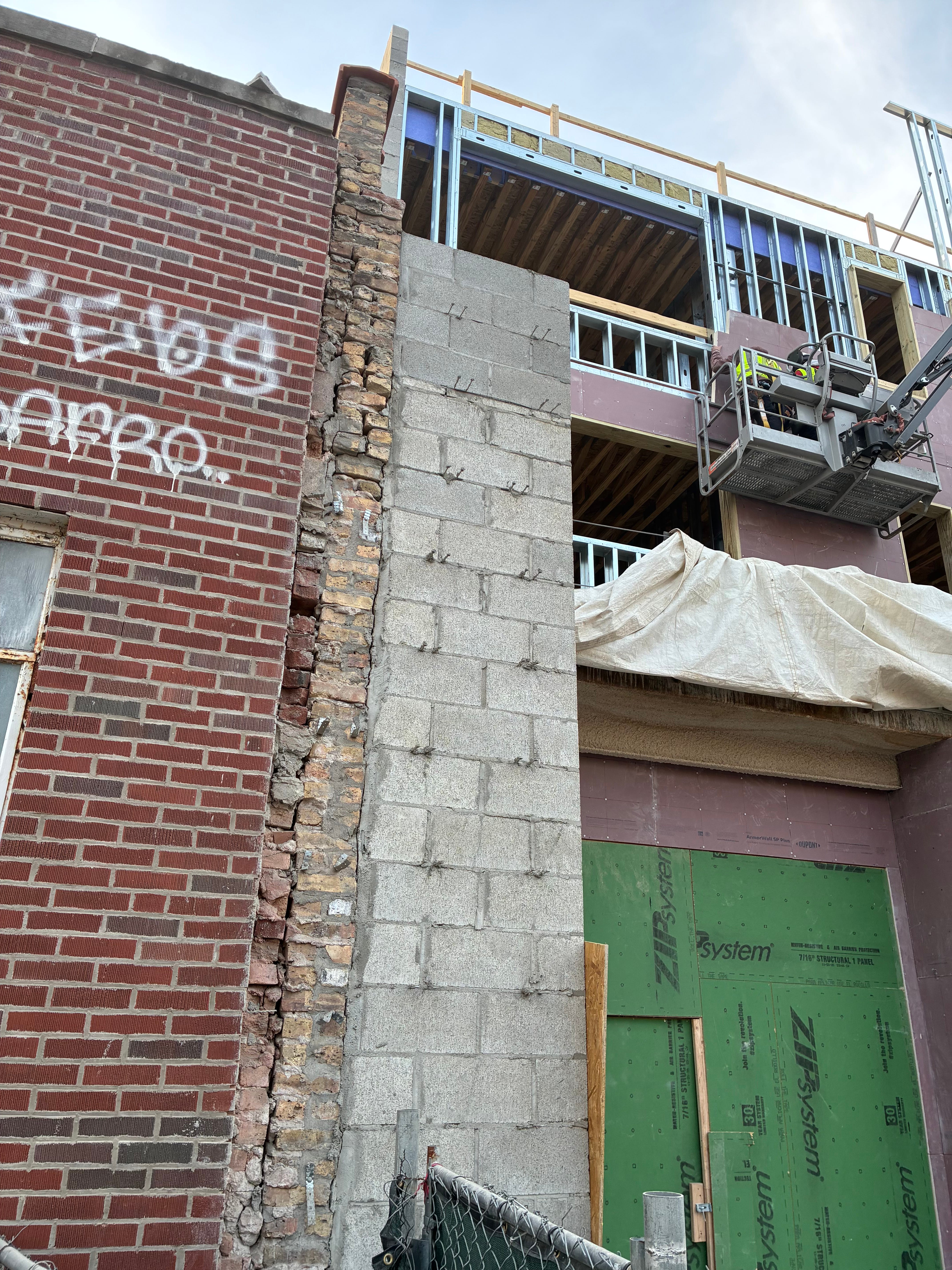
For most of the twentieth century, American architecture and development practice has been organized around detached buildings separated by open space. As a result, much of the practical knowledge required to design buildings that share party walls, sit directly on property lines, and organize light and air through courtyards rather than side yards has gradually faded from everyday practice. I talked to a developer in Houston last month who shared with me that builders in the area have concept of a party wall; they literally have no knowledge of how to build buildings to the property lines. So, reforming the rules alone will not automatically restore the building traditions that once produced courtyard blocks. Developers, architects, and builders will need to rediscover the techniques that made these forms work: party walls, zero-lot-line construction, shallow building wings, and courtyard-based strategies for light and ventilation.
Courtyard Urbanist is actively working with architects, builders, and other building professionals to help rebuild this knowledge. Together we are developing new building plans, design templates, and construction guidelines that translate the geometry of courtyard blocks into practical tools that owners and small developers can use on real lots. The goal is not simply to change zoning rules, but to make it easier for people who want to build courtyard housing to do so—providing clear design strategies for working with zero-lot-line buildings, party walls, and courtyard-based layouts that bring light, air, and shared space back into the center of the block. Email us at projects@courtyardurbanist.com if you would like to learn more about this!
The next frontier
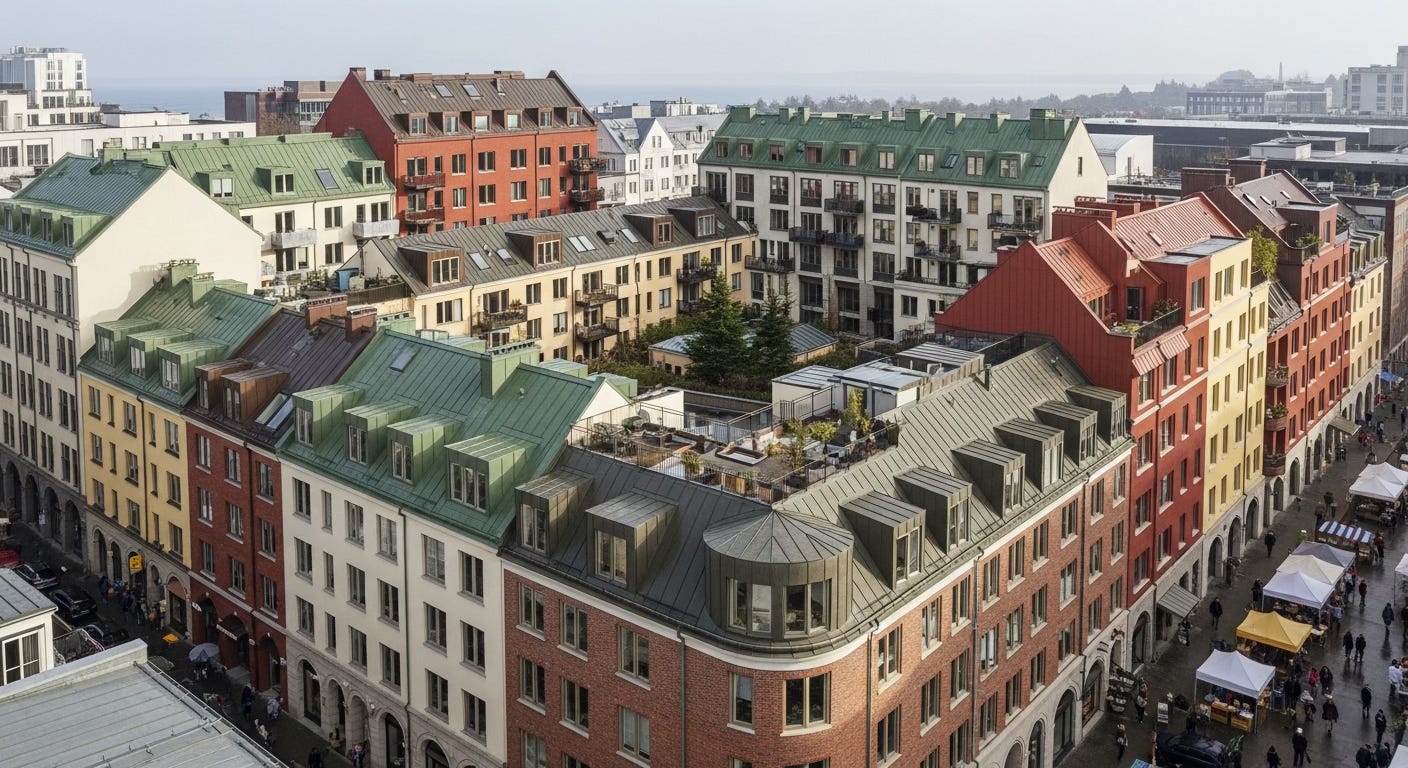
Over the past several years, much of the housing reform conversation in the United States has focused on a straightforward question: how can we legalize more homes? That work has been important, and in many places it is beginning to change long-standing zoning rules that restricted neighborhoods to a narrow set of housing types. Cities and states are slowly reopening the door to duplexes, fourplexes, and small multifamily buildings in places where they had effectively been banned for decades. But the next frontier in housing reform may turn out to be a matter of legalizing the building forms that make urban neighborhoods function well in the first place.
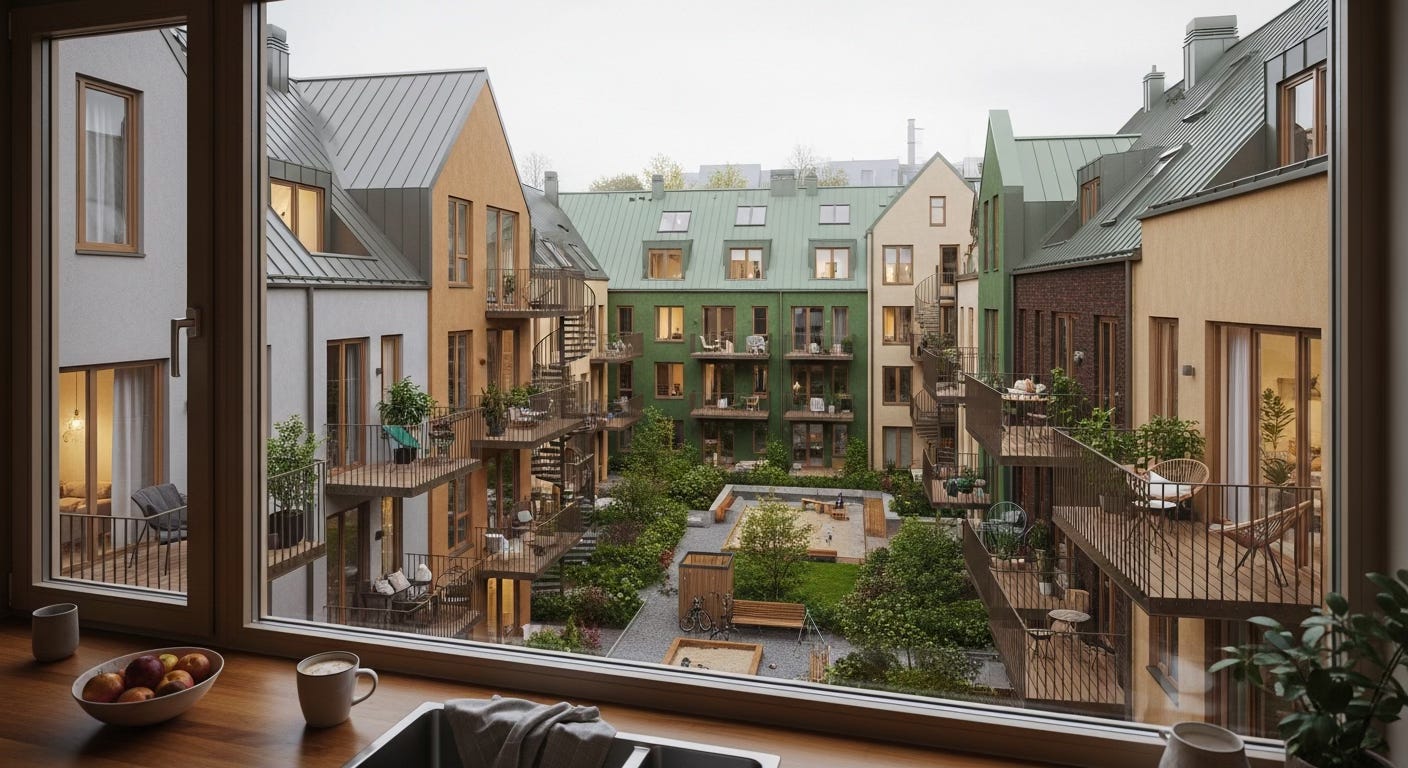
The courtyard block is one of those forms. For centuries it has provided a simple and durable way of organizing dense urban housing, placing buildings along the edges of blocks so that the street remains clearly defined while shared courtyards occupy the interior. This arrangement concentrates urban life where it belongs—along the street edge—while giving residents access to quiet and protected green space inside the block. Yet in much of the United States today, the courtyard block is still technically illegal. Not because anyone ever banned courtyards as such, but because a seemingly minor rule makes the geometry required for them almost impossible to achieve. That rule is the setback.
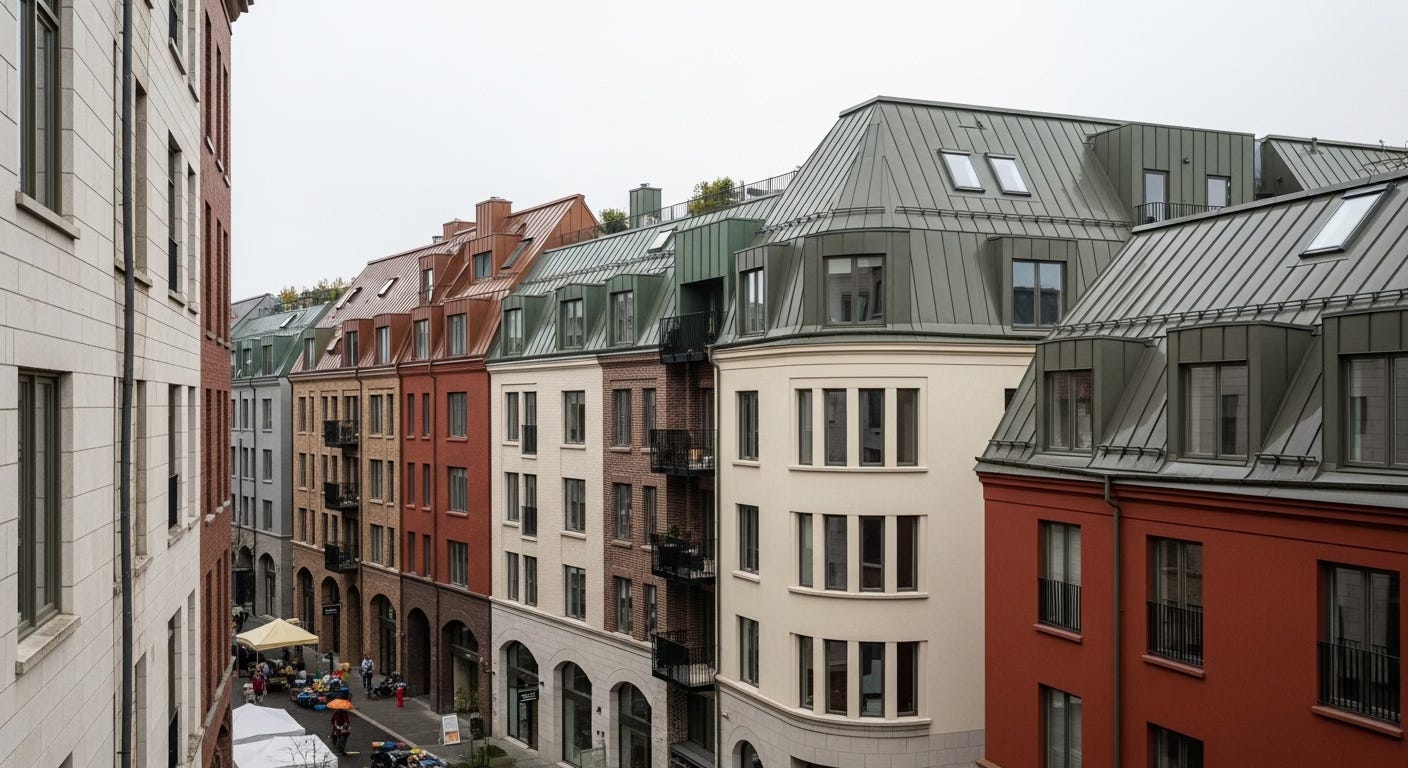
If setback rules are affecting a project you’re working on — or if you’ve run into them in your own city — leave a reply.
The regulatory map for courtyard urbanism is still being drawn.
To family-friendly courtyards in America,
Alicia Pederson
Courtyard Urbanist
Further Resources
“Shaping suburbia: the one-and-a-half-century evolution of setback regulations in American neighbourhood development” — peer-reviewed, published February 2026 → https://www.tandfonline.com/doi/full/10.1080/13574809.2026.2619113 (paywalled — note that in the newsletter)
Smart Growth America — 2026 state zoning reform roundup → https://www.smartgrowthamerica.org/knowledge-hub/news/on-zoning-and-housing-states-continue-to-take-charge/
Housing Affordability Institute — State Legislatures and Housing Reform, February 2026 → https://www.housingaffordabilityinstitute.org/housing-reform-february-202/
Setbacks are the bane of my infill developments. In Grand Rapids, MI our ordinance requires a minimum 5' side yard setback on each side but a total combined number of 14', effectively wasting an extra 4' of space. I calculated that's roughly wasting 9% of our city's buildable space, enough room for about 22,500 additional homes. Here's a link to a list of all the MI bills part of the Housing Readiness Package currently in committee: https://www.nathanbiller.com/blog/housing-reforms/ They still wouldn't make courtyard blocks legal, but it's a step in the right direction!
To what extent can modern technologies like light tunnels and whole house fans help further to address the natural light and ventilation concerns that originally drove setback rules?