


Courtyard Urbanist is the leading newsletter for architects, planners, developers, and enthusiasts bringing family-friendly courtyard blocks to American cities.
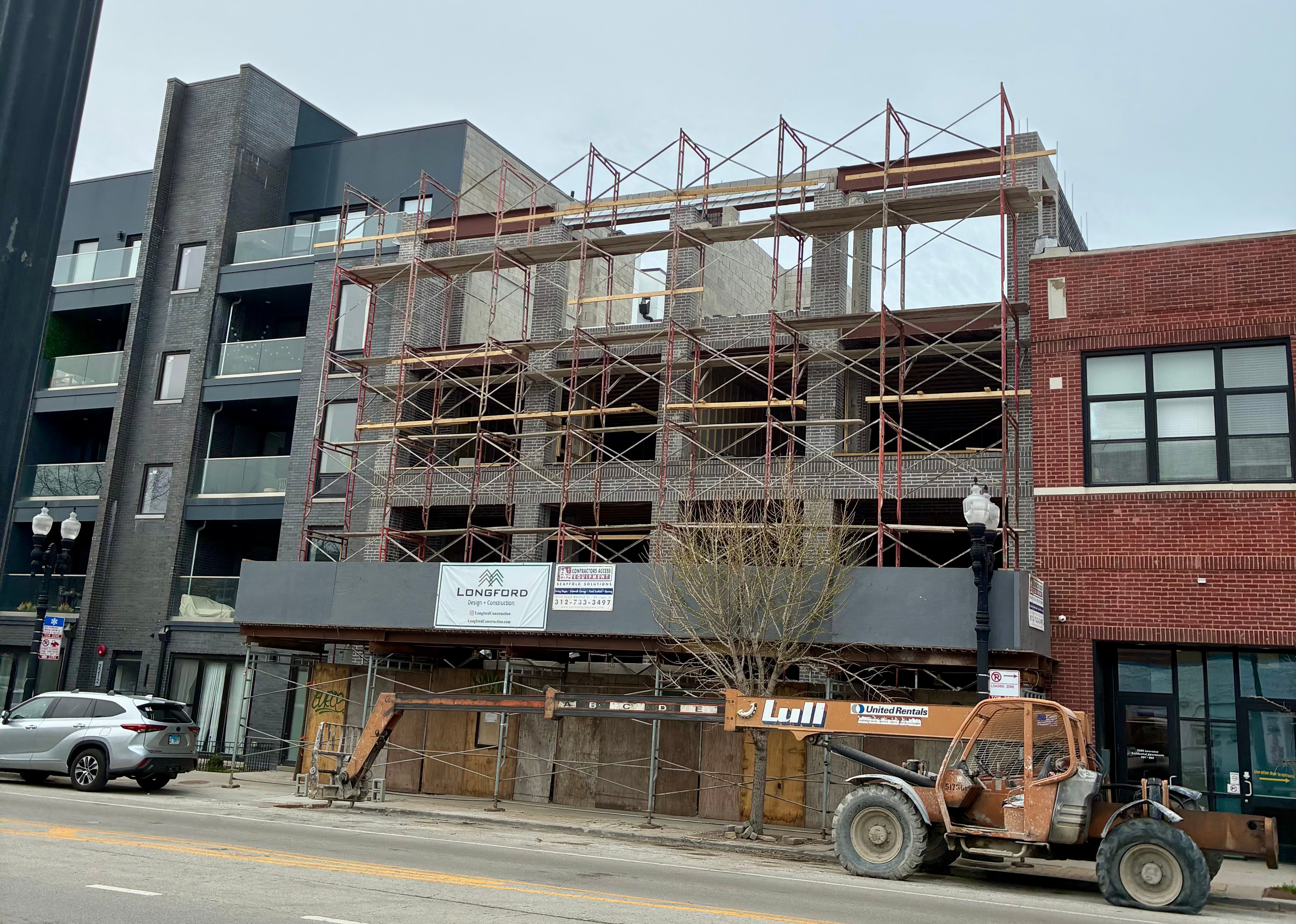
Two states just signed the zoning changes that make courtyard housing legally possible.
Today, we’re covering Idaho’s landmark setback and ADU reform package, signed just nine days ago. We’re also looking at Indiana’s by-right housing law, which took effect in March. And we’re examining two near-misses (Virginia and Florida) where bills had the votes and still didn’t survive.
Together, these four stories tell you exactly where zoning reform stands heading into spring 2026.
Idaho Signs 2 Key Bills: Setbacks Gone, ADUs Freed
Bills: SB 1352 (Starter Home Subdivisions) and SB 1354 (ADU Rights)
Sponsor: Sen. Ben Toews, Coeur d’Alene
Jurisdiction: All cities with a population over 10,000
Status: Signed into law by Governor Brad Little on April 1, 2026
On April 1, Idaho’s governor signed two housing bills that, taken together, remove the two biggest physical barriers to building courtyard housing in the state:
SB 1352—Targets lot and setback restrictions. In any city with over 10,000 people, local governments can no longer require front or rear setback minimums in qualifying starter home subdivisions: parcels of four acres or more. Minimum lot sizes, lot depth requirements, and width restrictions are all removed. And cities must now permit at least 12 units per acre in these subdivisions, unless genuine infrastructure constraints make it infeasible.
SB 1354, goes after ADU restrictions. It strips both local governments and homeowners associations of the power to block ADU construction. Property owners can now build at least one ADU per lot, full stop, with no maximum square footage limits allowed.
There are sensible carve-outs: historic districts, environmental hazard zones, and public safety regulations are all preserved. But the core rules that have made courtyard-form housing mathematically impossible on most Idaho parcels are now gone for qualifying developments.
Why this matters for courtyard blocks specifically
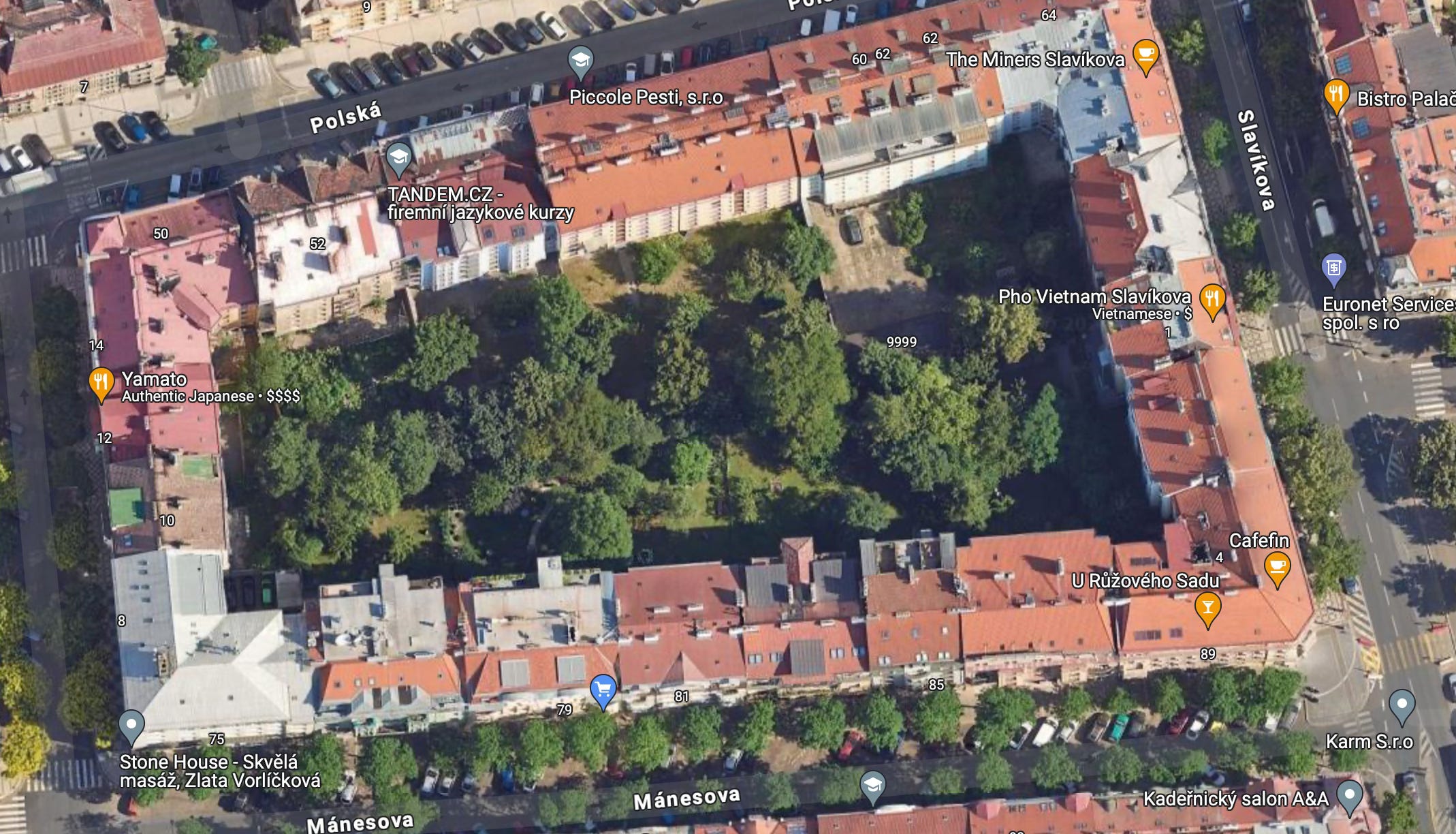
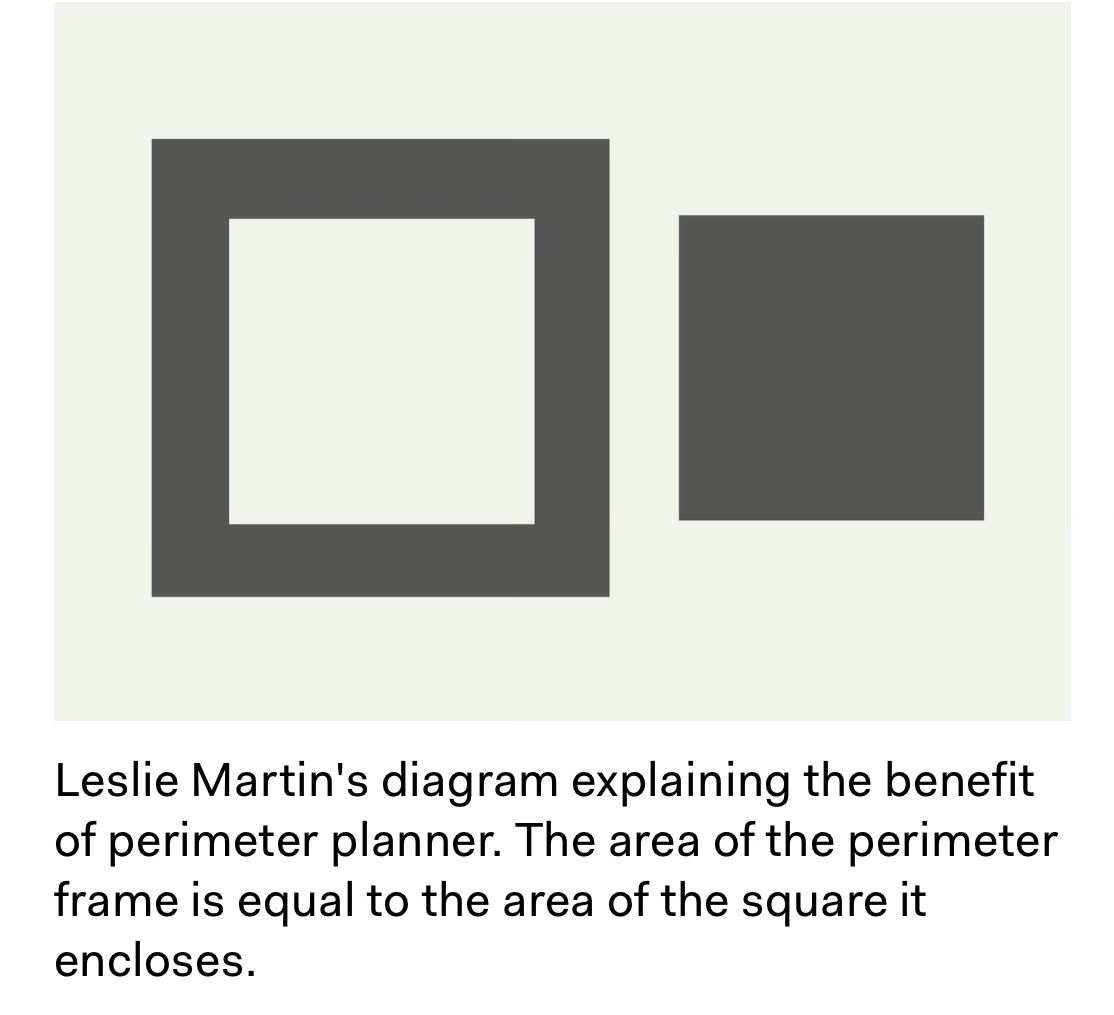
A true perimeter courtyard block wraps all four sides of a block and requires the building to sit close to the front and side property lines (but not the rear!). Standard American setback rules (typically 5 - 20 feet on each side) make this impossible, and also waste a lot of buildable area around the perimeter of the block where the area is greatest (in addition to destroying the enclosure effect of a good street wall).
SB 1352 removes front and rear setback requirements in qualifying subdivisions, eliminating two of the most significant barriers to courtyard housing, though side setback rules may still apply depending on local implementation.
The 12-units-per-acre floor matters, too:
Below that density, a shared courtyard doesn’t have enough surrounding units to feel activated and alive. Idaho has now cleared both hurdles in a single bill.
Sources: BoiseDev (April 1, 2026) · Coeur d’Alene Press (April 4, 2026) · Newsweek
Indiana HB 1001: Duplexes and ADUs By-Right, Parking Caps in Effect
Bill: HB 1001 (Housing Matters)
Jurisdiction: Indiana — statewide, with targeted application in transit corridors, riverfront districts, and designated redevelopment zones
Status: Signed into law by Governor Mike Braun on March 4, 2026
Indiana’s HB 1001 reforms the approval process.
Rather than targeting specific lot rules, it goes after the approval process.
Single-family homes, duplexes, townhomes, and ADUs are now permitted uses by right in residential zones, meaning they can be approved without a public hearing.
Mixed-use and multifamily housing must be allowed in commercial zones unless a local government passes an explicit opt-out ordinance.
The bill also caps parking requirements.
Local governments can no longer require more parking spaces than a state-set ceiling for multifamily buildings, and it restricts local enforcement of setback rules, minimum lot sizes, density caps, and building bulk standards.
The caveat: the final version of HB 1001 was narrowed significantly in conference.
The original proposal was broader statewide preemption. What passed applies primarily in designated zones:
Transit corridors
Redevelopment areas
And riverfront development districts
Local governments retain more control in standard residential neighborhoods. It passed the Senate by a single vote.
What this means for courtyard development
The parking cap may be the most important provision here…
When courtyard apartments are permitted, but parking minimums remain, developers are forced to provide parking underneath the building, which can mean structured parking, which means dramatically higher costs, which often means eliminating the ground-level courtyard entirely and replacing it with a parking deck.
These developments often are marketed as having “courtyards,” but they do not actually provide broadly usable outdoor space.
Indiana’s parking cap will allow developers to provide only as much parking as they estimate the market demands. In transit-served cities, a small garage for 5-8 parking stalls can be discretely tucked into the ground floor next to shops.
Sources: HousingWire · Indiana Capital Chronicle (Feb 19, 2026)
Two Near-Misses: Virginia and Florida
Virginia SB 454
Florida SB 48 / Live Local 4.0
Status: Both failed, in different ways, for different reasons
Not every bill gets signed. Two important stories from this spring show how quickly momentum can falter.
In Virginia, SB 454, described by advocates as the “most impactful” zoning reform bill on the table in the state, would have allowed denser housing near jobs statewide.
It passed the Senate 21 to 19 on February 5, 2026.
Then it died in a House committee in March.
The opposition argument was the familiar one: Local control.
The votes were there in the Senate; they weren’t in the House.
In Florida, the story is stranger.
The Florida Senate unanimously passed SB 48 in February 2026, requiring every local government to allow ADUs in single-family zones by December 1, 2026, a sweeping, no-exceptions mandate with unanimous support.
Then it went to conference with the House.
The two chambers couldn’t agree on one question:
Should cities be allowed to ban short-term ADU rentals?
They couldn’t resolve it.
The ADU language was dropped entirely from the final Live Local 4.0 bill that passed in March 2026. A bill with unanimous Senate support didn’t survive a single-issue procedural disagreement.
The lesson
These bills fail at the end, not the beginning.
The political will exists… Virginia’s bill cleared the Senate, and Florida’s ADU provision passed unanimously.
The kill shots come from committee structure, conference negotiations, and single-issue blocking.
Anyone pushing similar legislation in their own state should study both of these cases carefully before counting votes.
Sources: WMRA (March 13, 2026) · Planetizen (Feb 2026) · Discover South Florida — Live Local 4.0 summary
Why It’s Relevant
Front and side setback removal is the physical prerequisite for courtyard blocks.
A courtyard building sits at the front and sides of the lot. This is what perimeter planning means: concentrating building mass around the edge of lots and blocks, where the area is greater, and where the building itself can form a boundary between the public street and the private block interior.
Standard American setback rules, typically 5 - 20 feet per side, make this mathematically impossible on most urban parcels.
Idaho’s SB 1352 removes the front setback barrier for qualifying developments.
Indiana’s HB 1001 restricts it in designated zones.
So this legislation is helpful, but incomplete. Without explicit treatment of side setbacks and party wall construction, the perimeter block form remains only partially feasible.
The parking cap matters as much as the density allowance.
When a developer must provide two parking spaces per unit, and they’re building in a dense urban context, those spaces go underground or in a podium, which raises costs, reduces ground-level permeability, and eliminates the usable outdoor space that makes courtyard housing worth building.
Indiana’s parking cap addresses this problem directly:
A genuine courtyard at grade, with mature trees and room for children and neighbors, works best when parking is modest. We want modest parking, not parking abundance.
State preemption is the strategy that’s working.
Local zoning reform is slow and vulnerable to neighborhood opposition. Individual variances can take years. The bills that are actually passing in 2026 (Idaho, Indiana, and the Illinois BUILD package we covered last issue) all work by setting a state-level floor that removes the most restrictive local rules.
This model has momentum. The question now is which states are next.
The states to watch next are the ones combining state-level preemption with targeted reforms to setbacks, parking, and lot rules: Illinois, California, and Arizona in the near term, with Virginia and Florida likely to return quickly after near-misses this session.
How You Can Participate
If you’re in Idaho or Indiana:
Your local government now has a window, typically 60 to 180 days, to update its zoning code in compliance with these new laws.
That window is when the actual design standards get written:
Show up at planning commission meetings
Push for courtyard-forward language within the new framework before the defaults get locked in
Track & Support the Illinois BUILD package:
SB 4060, which would permit cottage clusters statewide as of right, is still moving through the Illinois legislature this spring. Its fate is one of the most important signals for the Midwest this session.
People who want this to become law can show their support by sending a letter to their state rep and senator
https://actionnetwork.org/letters/pass-the-build-plan
There is also a lobby day on April 15. If you’re in Chicago, ride the Amtrak to Springfield with 50 other YIMBYs and talk to state electeds about the BUILD plan:
https://airtable.com/appzwumHROgxp506v/pagvEqb4wIqV88wYM/form
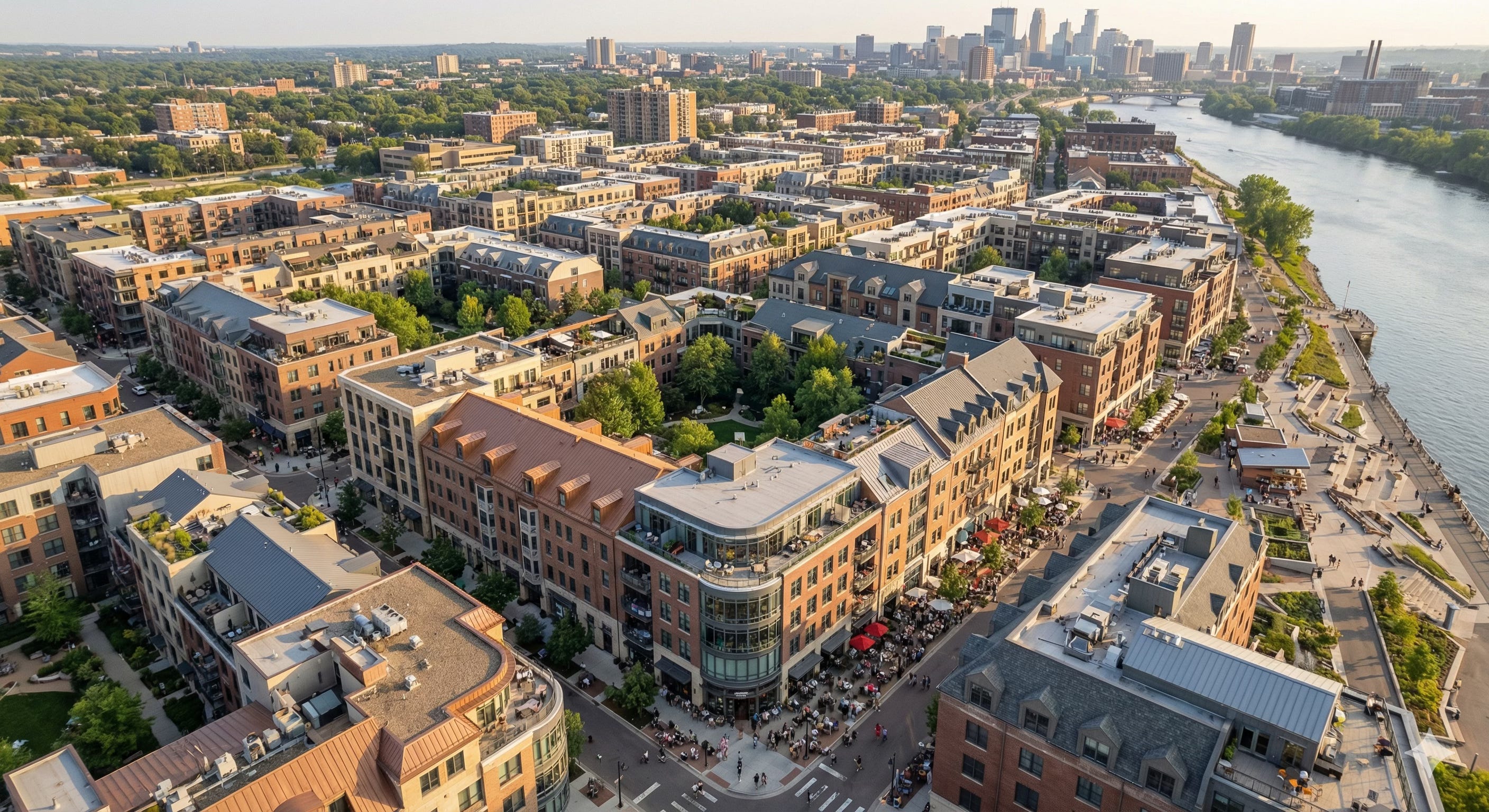
To family-friendly courtyards in America,
See you then,
Alicia Pederson
Courtyard Urbanist
This newsletter is free — and Courtyard Urbanist’s best core content will always be free.
But if you want to go deeper into the regulatory, financial, and design questions that make courtyard urbanism work in practice, consider becoming a paid subscriber.
You will receive:
✅ Wildcard Essays — High-impact essays responding to the most compelling idea or debate. Stay on the cutting edge of this movement.
✅ The Courtyard Urbanist Market Brief — An in-depth monthly report on who’s building what, which policies are moving, where the funding is, and what to watch. If you’re a developer, planner, or investor, this is the one you can’t afford to miss.
✅ Quarterly Insider Roundtable Video Calls — Behind-the-scenes project work, design feedback, and direct access to the people building this movement. These calls are where strategy actually gets made.
The weekly free issues will give you a strong foundation.
But if you’re serious about courtyard urbanism—whether you’re building it, funding it, designing it, or advocating for it—the paid tier is where the real work lives.
Consider upgrading to the paid tier to join the practitioner network.
If you enjoyed this post, here’s what to read next:
The Zoning Rule That Broke the American City Block

Why American Buildings Don’t Touch or Meet the Street