


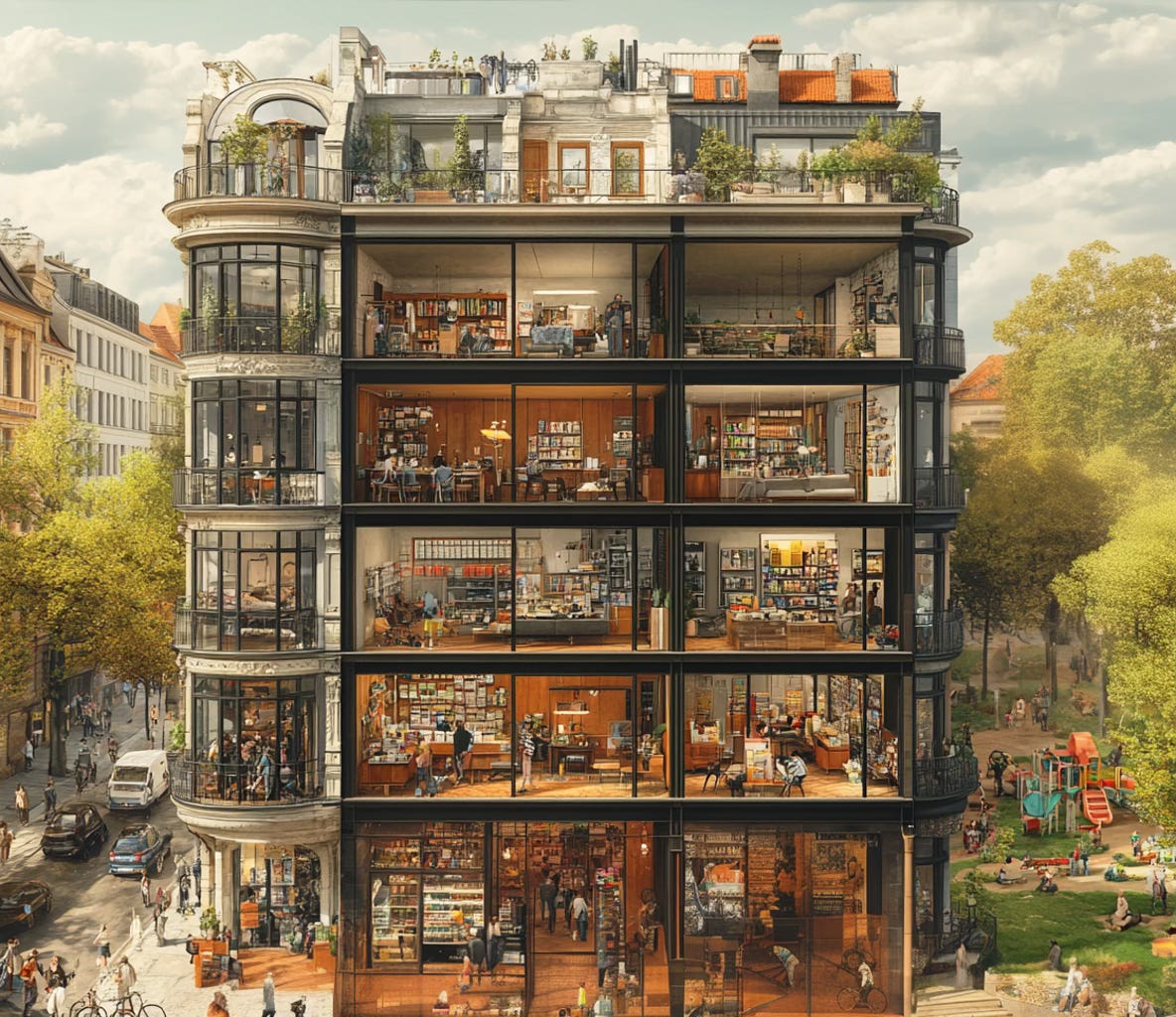
Imagine a city neighborhood where your front door opens onto a street that buzzes with cafés, shops, and neighbors. Just steps away, a public plaza hosts a farmers’ market, restaurants, and a fountain. On your walk, you regularly bump into friends and acquaintances, surrounded by amenities, schools, churches, and a broad, deep social network.
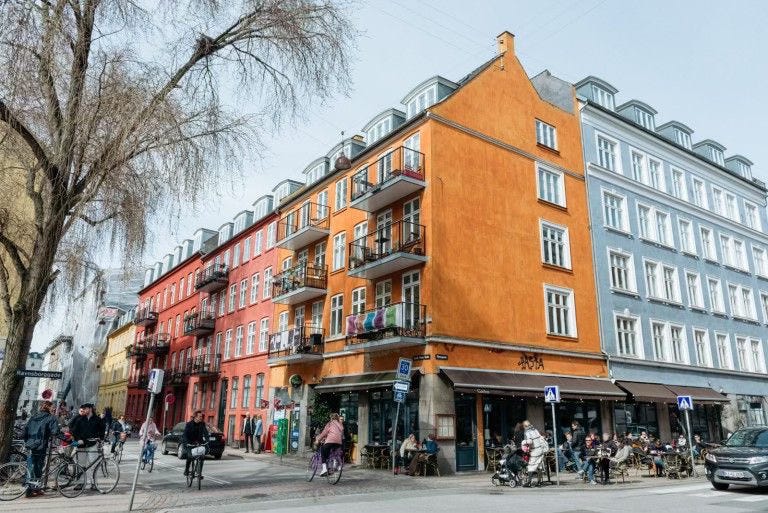
That’s what you find out the front door. Out the back door, however, is something entirely different.
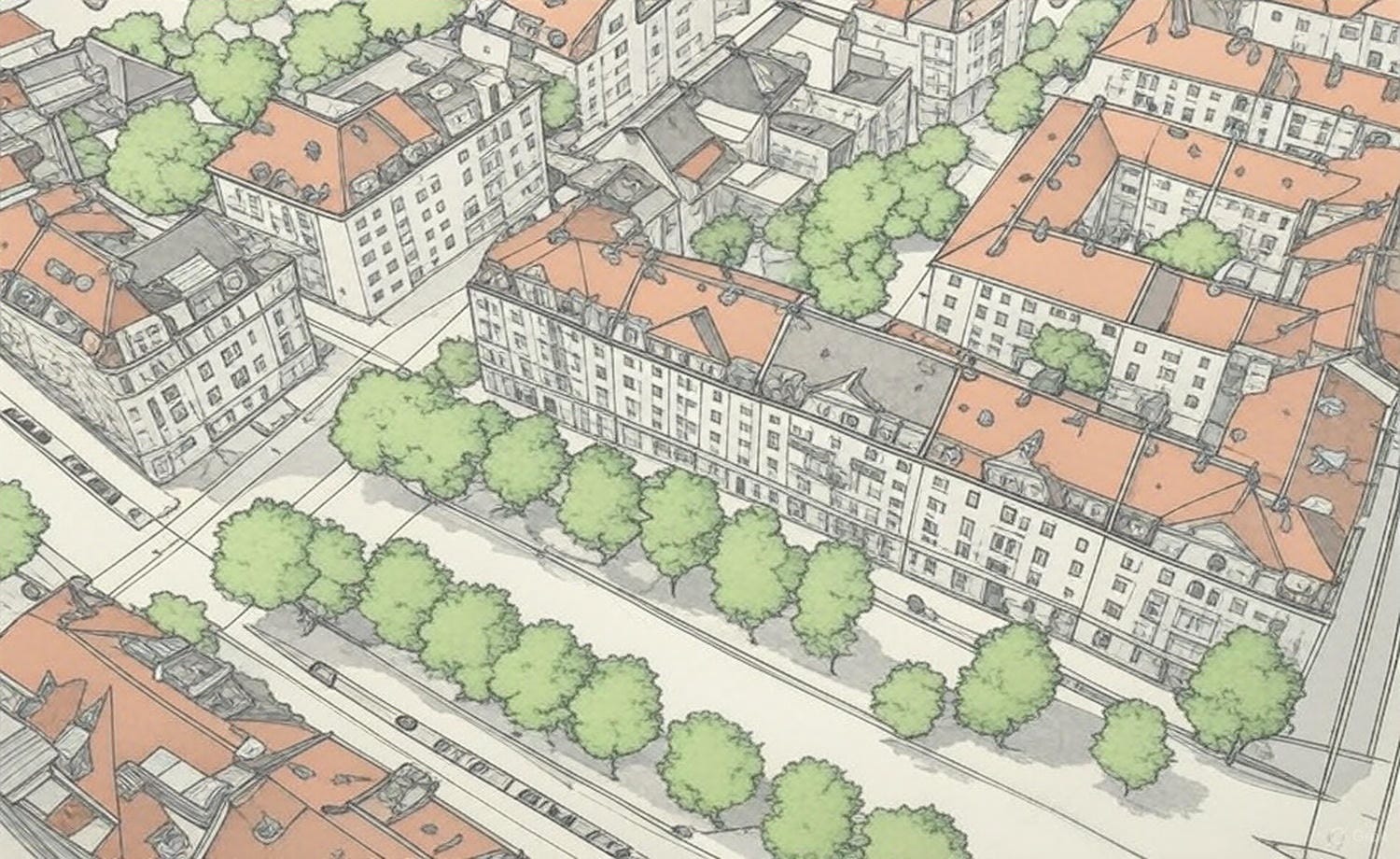
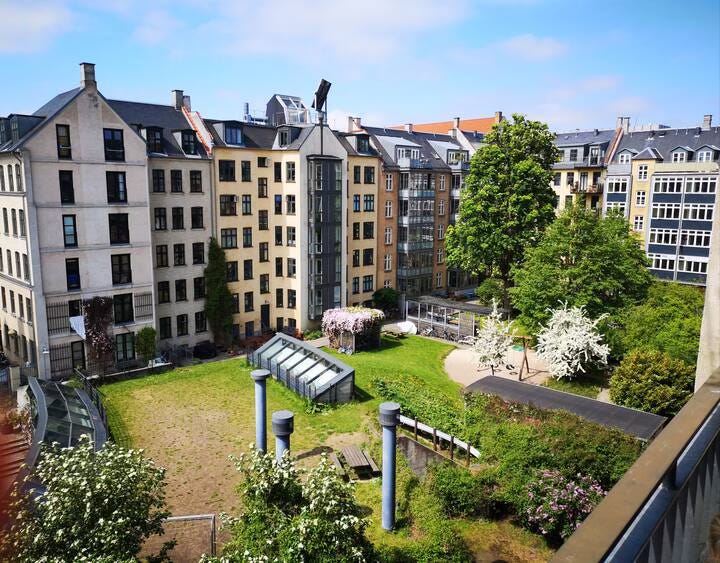
You step into a lush, shaded courtyard that is quiet, safe, and enclosed. The perimeter wall of buildings shields you from the bustle of the street, keeping strangers out and small children in. Shade trees and native plants soak up rainwater and cool the air. There’s a shared garden, bike shed, and play set where kids from the block can play together freely while parents attend to tasks inside.
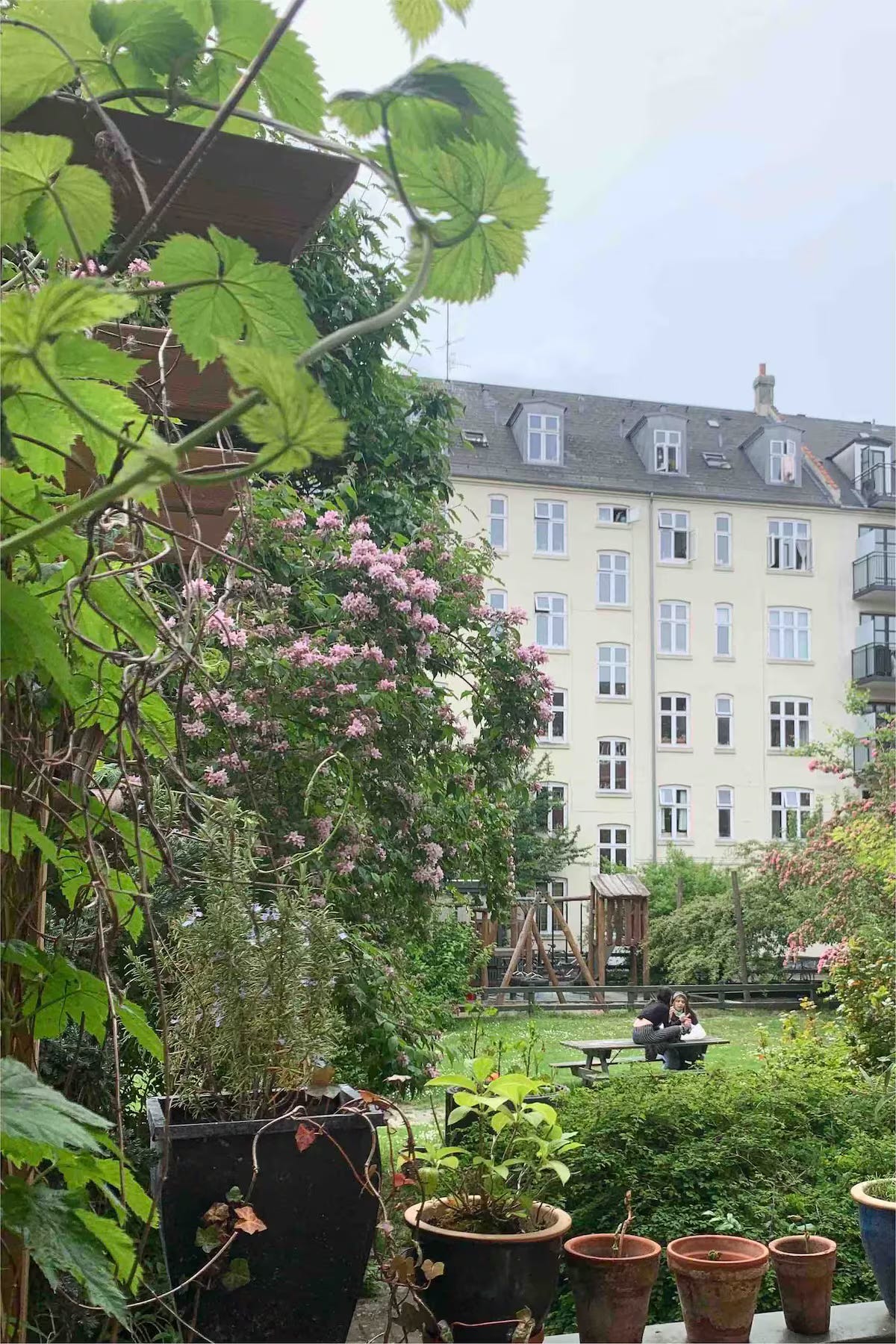
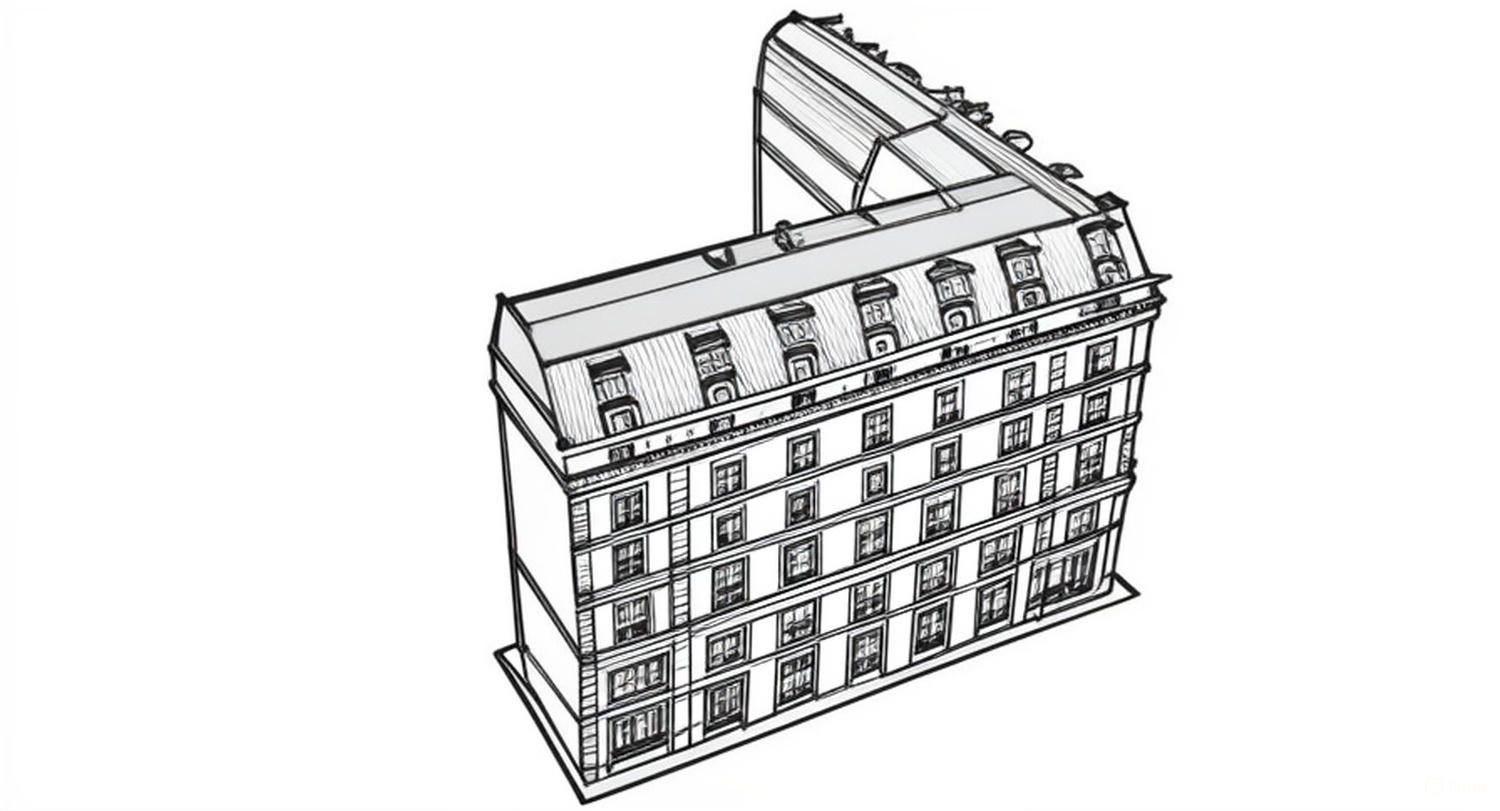
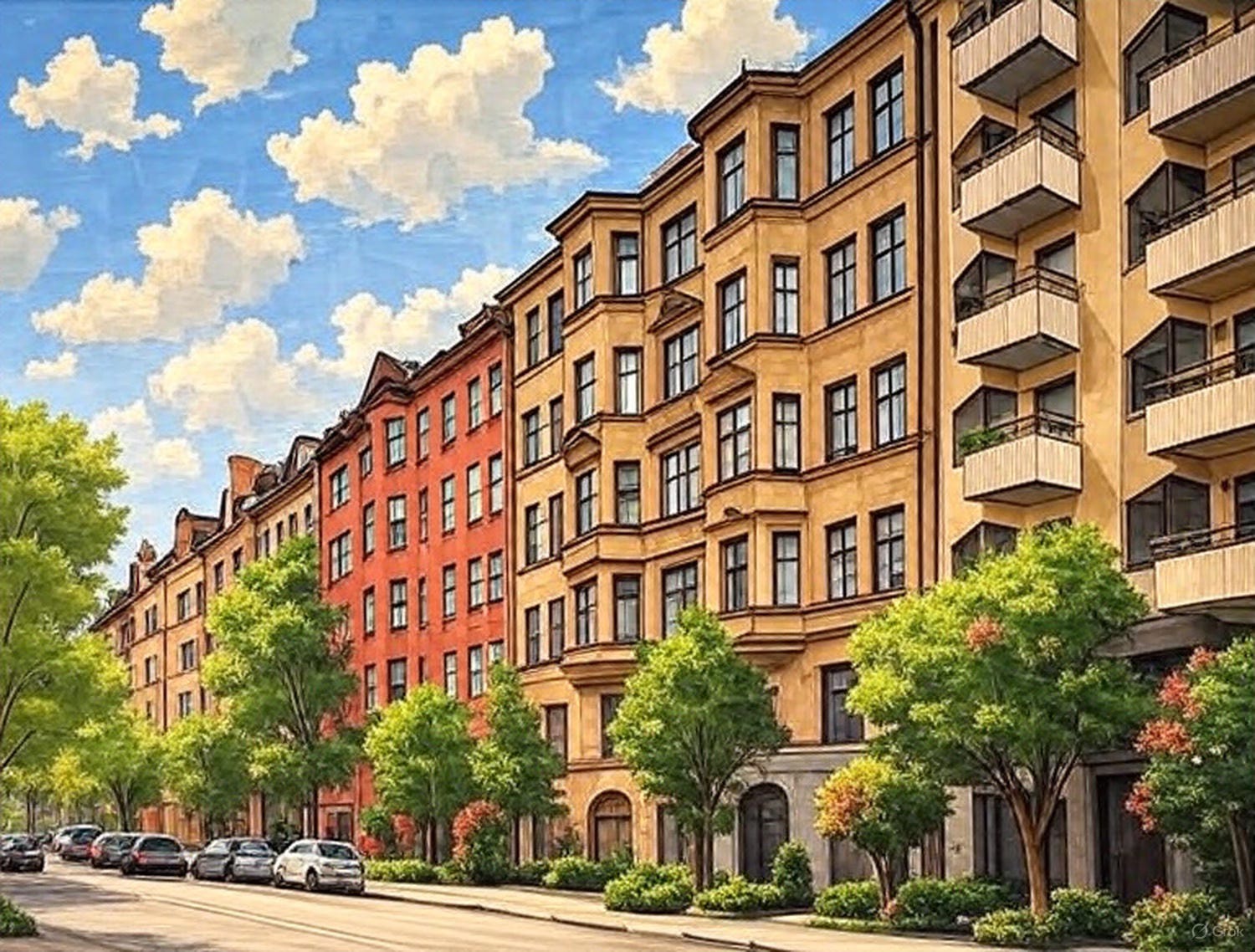
This isn’t a fantasy. It’s the courtyard block: a dense, green, family-friendly design poised to transform American cities. Courtyard blocks feature 3–5-story, mixed-use buildings enclosing a shared green courtyard: a semi-private park for residents. Common in Copenhagen, Berlin, and Prague, they offer a “missing middle” between sprawling suburbs and dense urban cores, countering family flight from cities due to costly or unsuitable housing. Versatile for new developments or urban infill, they deliver lush and affordable neighborhoods for households of all ages, sizes, and incomes.
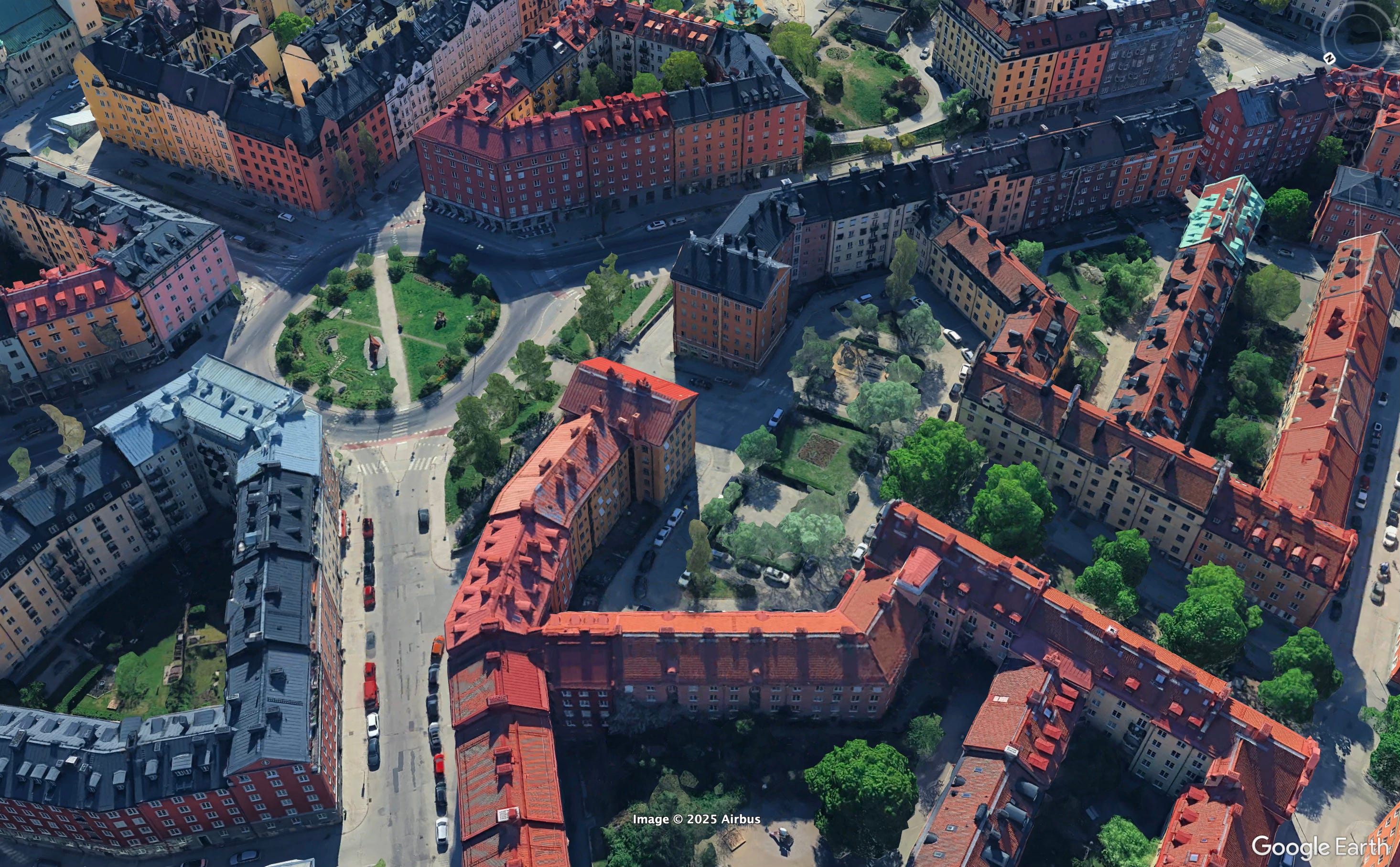
With city-led master planning and developer-driven Planned Unit Developments (PUDs), we can build the walkable, family-friendly urban neighborhoods that families (and cities!) need now more than ever.
This article unpacks large-scale courtyard block development; a follow-up will explore infill strategies.
City-Led Master Planning
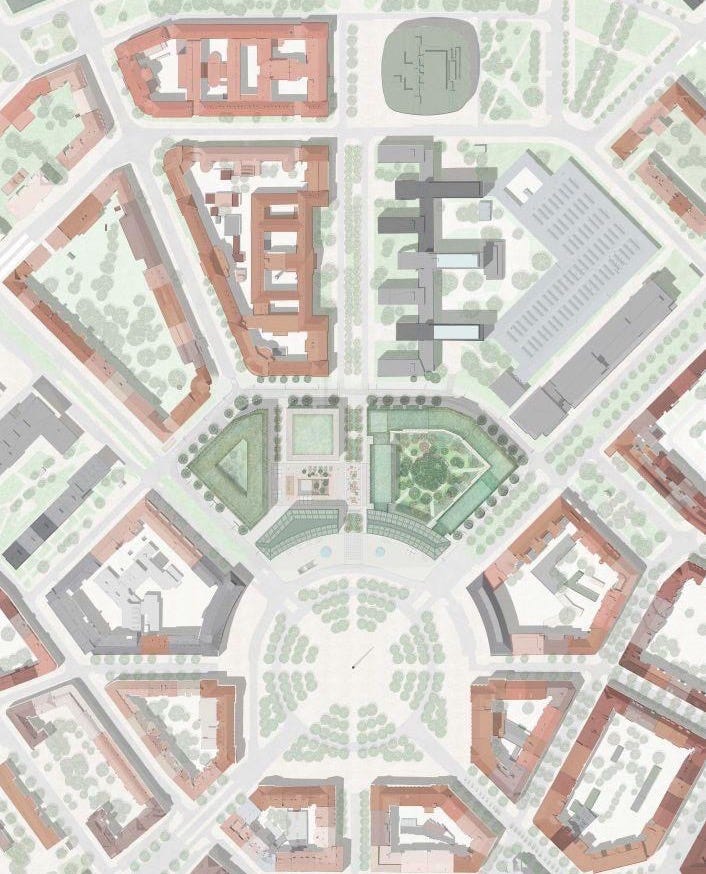
Master planning is one of the most powerful tools U.S. municipalities have to shape thriving neighborhoods. This process creates a long-term vision for land use, infrastructure, and community needs, aligning private development with public goals such as affordability, environmental resilience, and family-friendly density. By weaving courtyard blocks into these plans, cities can transform underused sites into walkable, green districts that welcome families.
Here’s how any city can leverage master planning to make this vision a reality:
Assess and Designate Sites. Cities can identify large vacant or underutilized parcels—such as former industrial land, parking lots, or obsolete commercial zones—that are ideal for courtyard block districts. Prioritizing locations near transit and amenities reduces infrastructure costs and enhances walkability. For example, a 50-acre site could host 20–25 courtyard blocks, each with 100–150 homes, shared green spaces, and ground-floor shops.
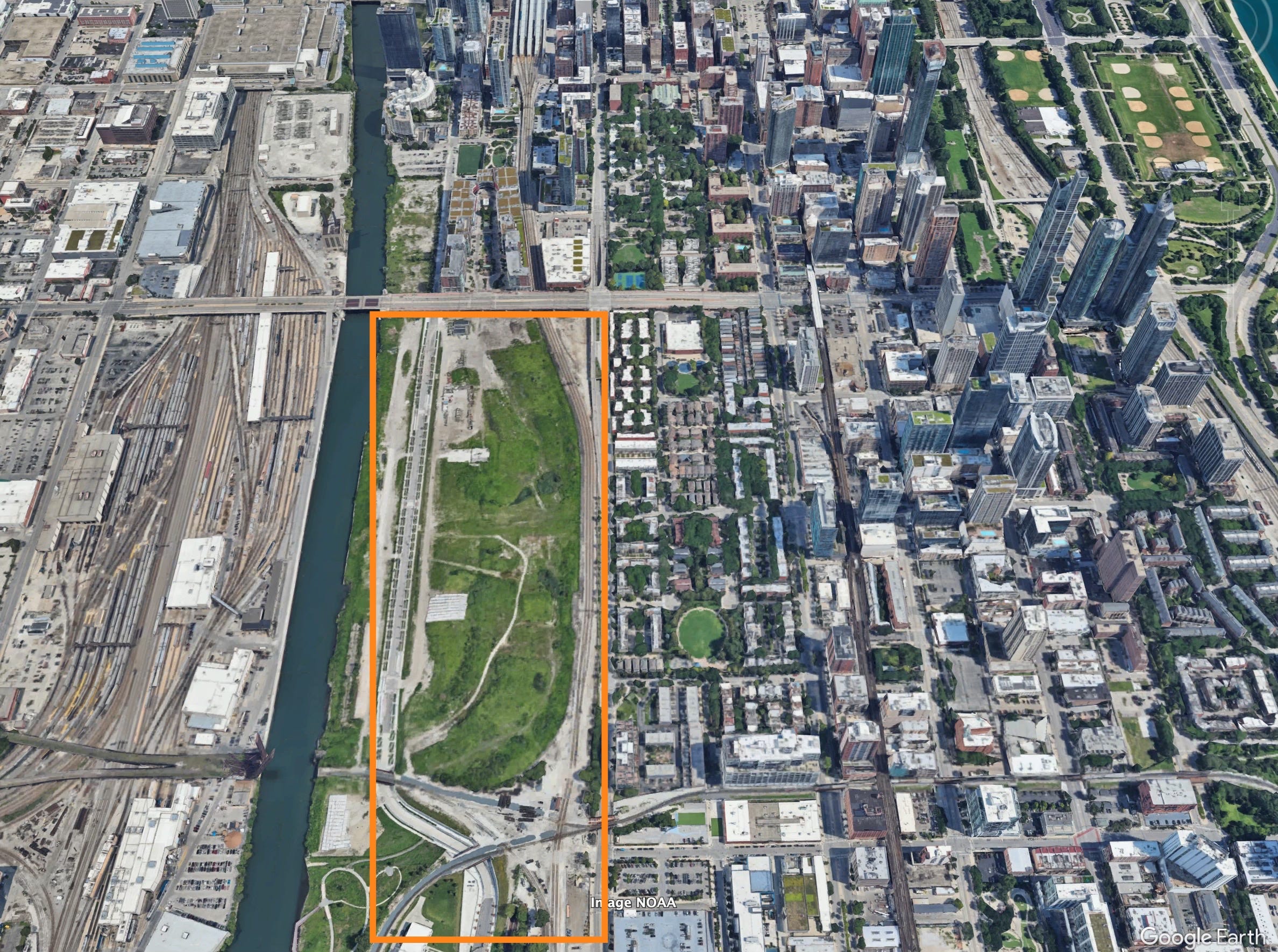
Lead Site Preparation. Instead of leaving all risk to mega-developers, the city takes the lead in creating the framework. Municipalities (or a site developer) prepare land by subdividing it into block-sized parcels, laying streets, utilities, and basic infrastructure, and establishing design standards. With the framework in place, the city or site developer can then sell individual parcels to builders. This ensures the district develops as a cohesive whole rather than a patchwork of isolated projects.
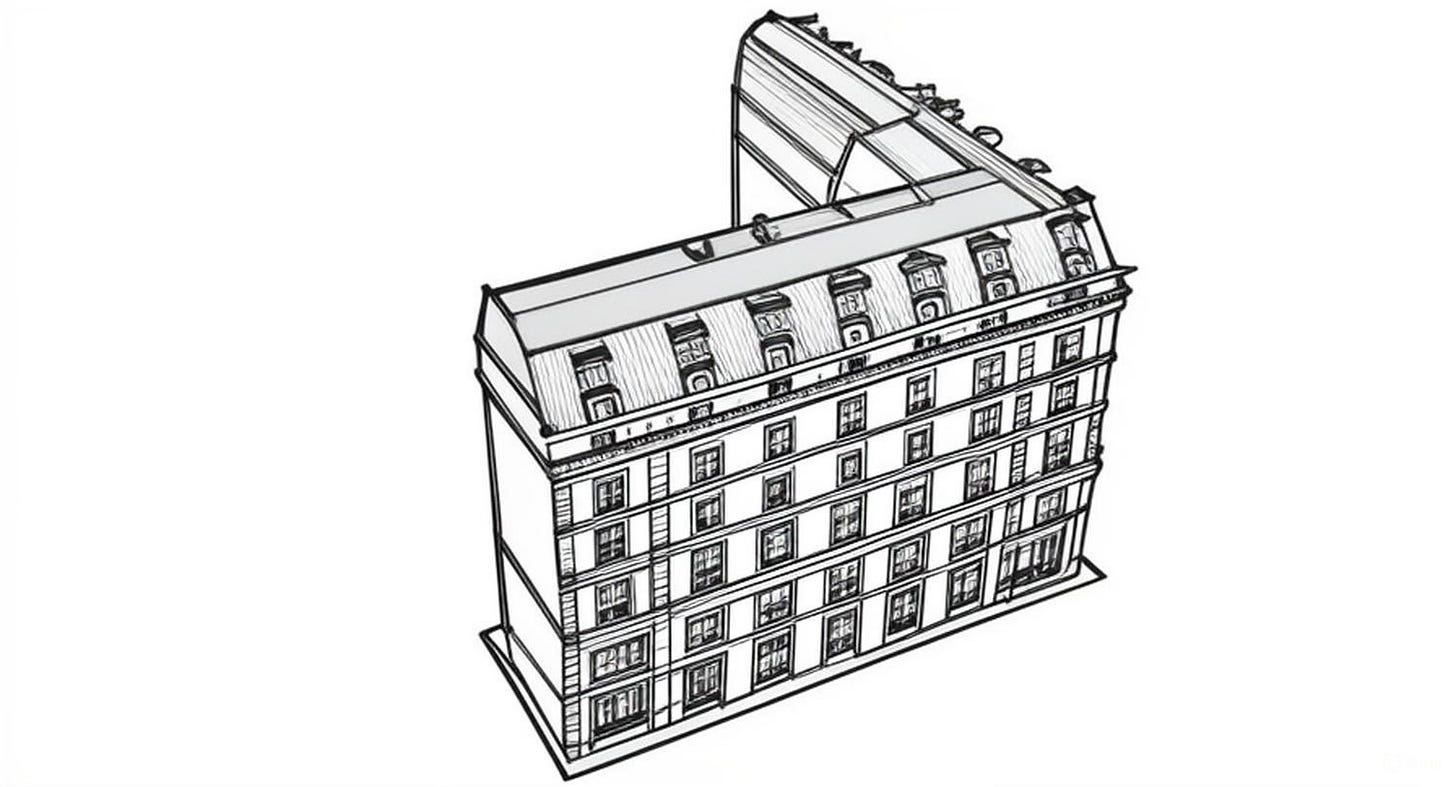
Set Design Standards. Cities establish clear but flexible requirements—3–5-story perimeter buildings, ground-floor commercial spaces, landscaped courtyards, with no side setbacks and minimal front setbacks. Pre-approved templates and Covenants, Conditions, and Restrictions (CCRs) ensure that small-scale builders can participate without sacrificing neighborhood coherence.
Streamline Regulations. Density bonuses, tax incentives, or expedited permits can be offered for projects that meet housing and sustainability goals.
Engage Communities. Cities can host workshops, present renderings of precedents like Copenhagen’s Nørrebro, and address resident concerns about density by showing how courtyard blocks balance livability with growth.
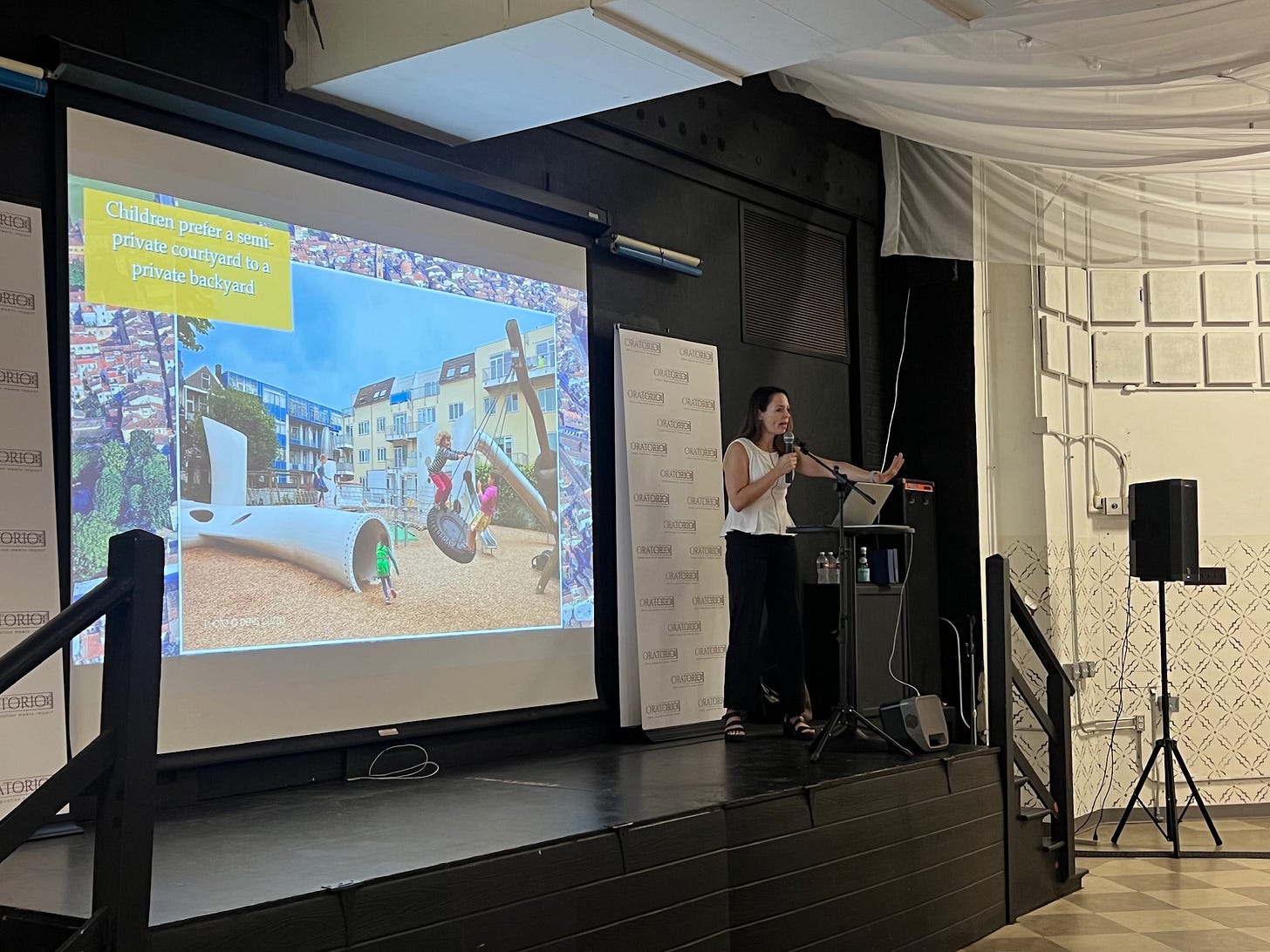
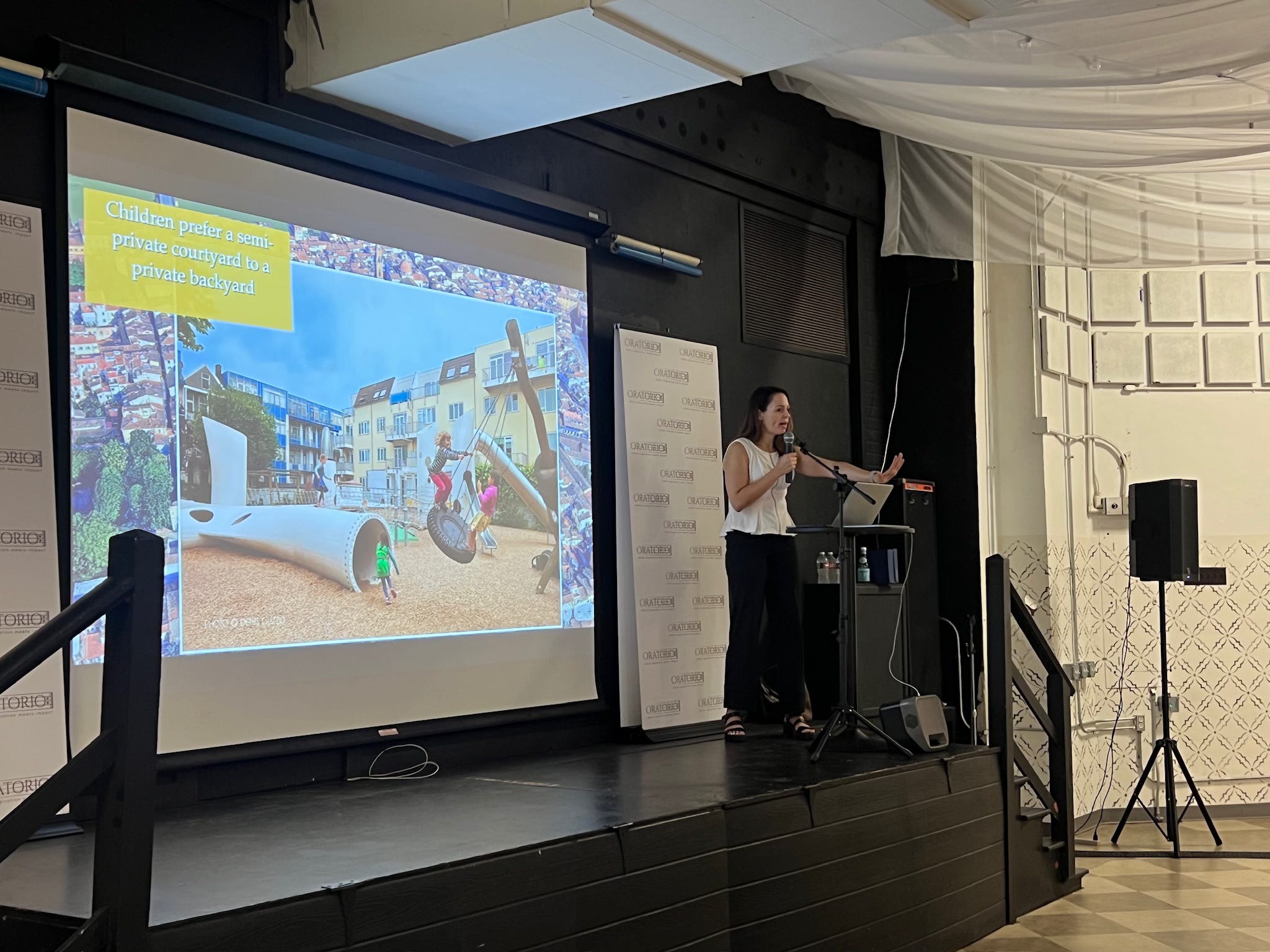
Alicia presents courtyard block urbanism to a civic organization in St. Louis, MO Prioritize Families and Sustainability. Mandating a mix of unit sizes, family-friendly layouts with easy courtyard access, and low-maintenance native landscaping ensures affordability and resilience.
By taking the lead—through land assembly, infrastructure investment, and parcel sales—cities can set the stage for diverse developers to participate. Large firms may build multiple blocks, while smaller builders and even community-based organizations can take on single parcels, creating a district that grows quickly but retains human scale
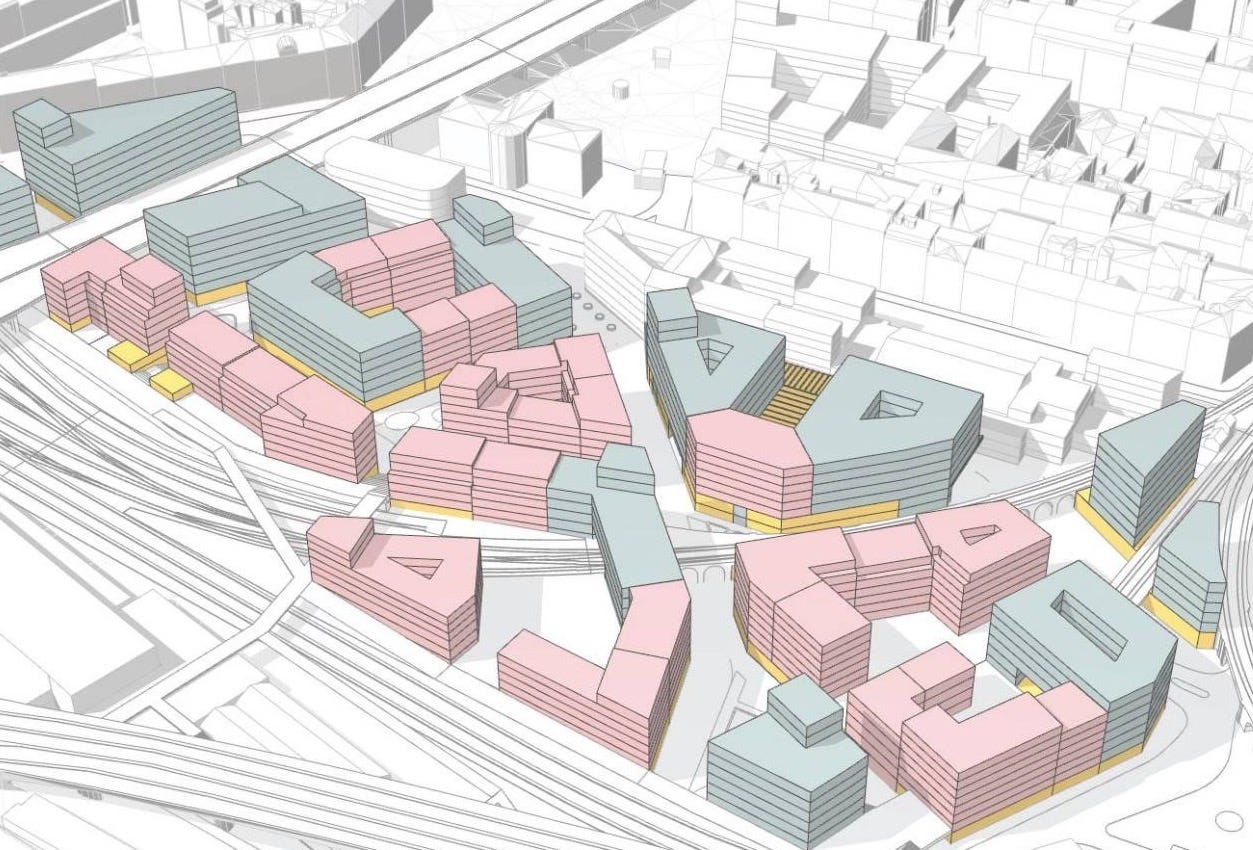
Plans like Madison’s Northeast Area Plan (2023), Singapore’s Draft Master Plan (2025), or Berkeley’s Middle Housing Zoning Update (2023–2025) show ambition but often stop short of this crucial step: cities themselves ensuring the framework is in place for family-friendly neighborhoods. Specialized consultants can help municipalities manage this process, from site analysis to design guidelines, ensuring that courtyard blocks deliver on their promise of family-friendly density.
Developer-Led PUDs
Even without robust municipal leadership, developers can spearhead courtyard block neighborhoods through Planned Unit Developments (PUDs). These flexible agreements allow developers to propose custom projects that bypass outdated zoning rules to meet new community goals. For courtyard blocks, PUDs enable dense, mixed-use designs that rigid codes might otherwise block. Expert courtyard consultants guide developers to craft functional, appealing blocks that balance profitability and livability.
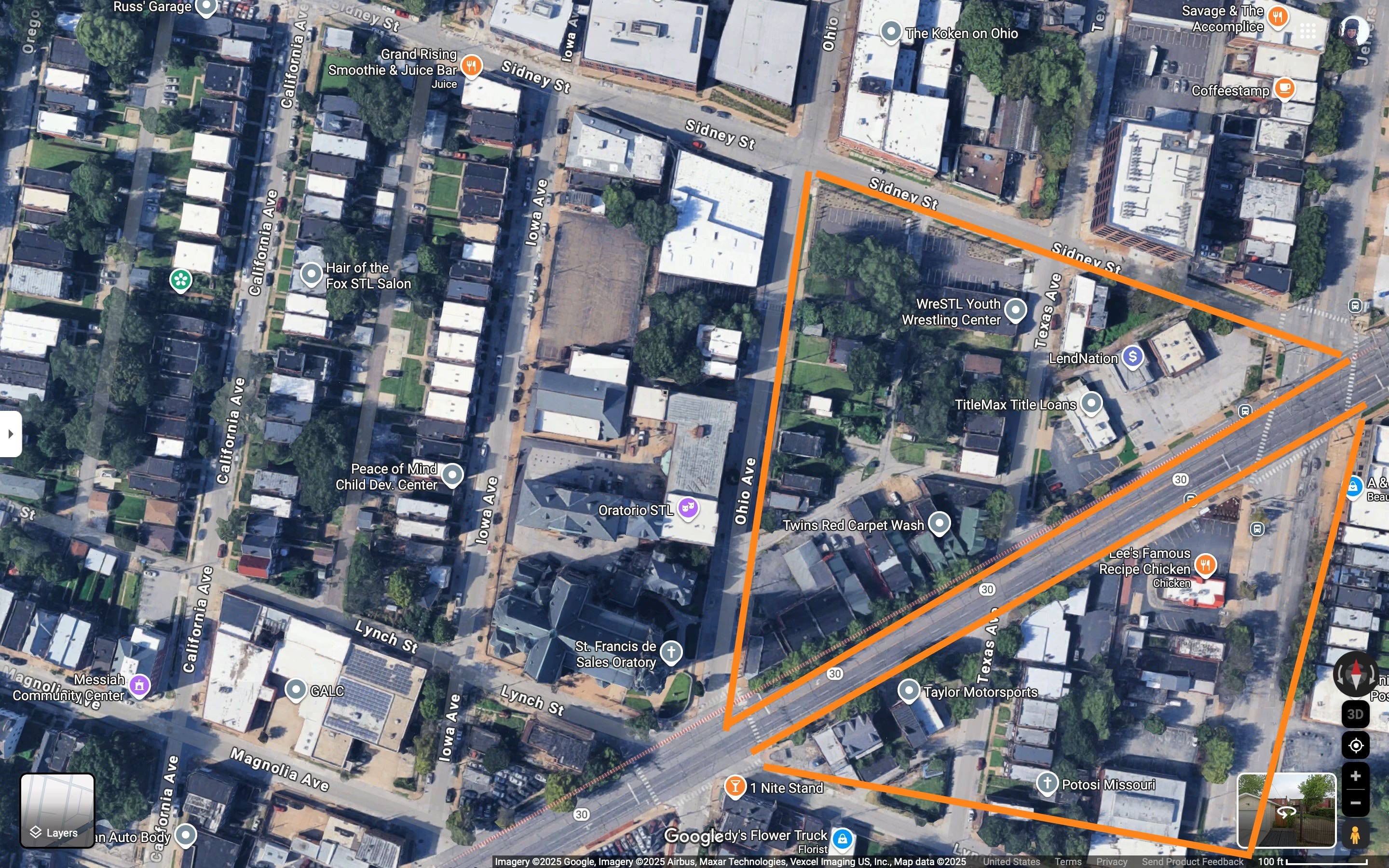
Imagine a developer in Chicago proposing a PUD for a 10-acre infill site in the Greater Roseland area, near the planned Red Line Extension. The developer designs five mixed-use courtyard blocks, each with ~100 homes, 20,000 square feet of commercial space, and lush courtyards. A transit-oriented public plaza anchors a cultural and commercial hub, enhancing walkability and community ties. The city approves the courtyard PUD, gaining affordable, diverse housing and a thriving neighborhood without sprawl’s costs.
The site developer either builds the blocks directly or sells parcels to small-scale builders, who adhere to pre-approved design templates and Covenants, Conditions, and Restrictions (CCRs). Such templates can ensure consistent courtyard aesthetics, green features, and walkable design while offering flexibility for smaller builders. This strategy speeds up development, upholds the PUD’s cohesive vision, and allows local builders (and even homeowner-developers!) to build out their neighborhood.
The Opportunity Ahead
Courtyard blocks aren’t just another housing typology; they are a tested way of making cities livable for families while strengthening local economies and municipal finances. However, their success depends on intentional frameworks laid by cities through master planning or by developers through PUDs.
If municipalities lead with site preparation and parcel sales, they can open the door for a wide range of builders, from major developers to small community-based groups. If private developers step up through PUDs, they can achieve the same cohesion and livability, while aligning with civic goals.
This is Americans’ opportunity to adapt and improve a proven model of urban life that has thrived for millennia in European city centers. If done correctly, courtyard blocks can become the backbone of resilient, family-friendly neighborhoods.
Take action: Attend a planning meeting, pitch courtyard blocks to your city council, or connect with developers and consultants. Share this article to spark the conversation. The future of American city neighborhoods is connected, walkable, and green. Have a vacant lot in mind or a city ready for courtyard blocks? Comment below, and I’ll suggest how to start.
What happened to the follow-up on infill?
>Courtyard blocks feature 3–5-story
Why so short? Should be 6 minimum, right?